It was announced on Tuesday that Formula E has a deal with Disney Plus as a media rights deal. This would help stream Formula E in over 100 countries. One aspect of the deal, according to Adam Stern, is that there are still some linear TV relationships in certain areas. Formula E CEO Jeff Dodds is that they are not ready to discuss Formula E remaining on CBS Sports Network in the US.
While I HATE streaming platforms, ANYTHING is better than the coverage that Formula E gets on CBS Sports Network. CBS Sports Network compresses the entire race into an hour long telecast. The problem is, since the races take place over the course of, if not longer than an hour, it’s badly edited to add commercials.
The editing is so god awful, that it’s almost unwatchable. There are times an announcer will be in the middle of a word, and the broadcast cuts to a commercial. Decent chunks of the race will be lost due to this terrible editing.
While this might be forgiven if this was a highlight video, Formula E has no live coverage in the United States. So this hacked up video is all American television audiences get. CBS Sports Network has killed off any interest Americans may have had in Formula E.
Again, I HATE STREAMING SERVICES. but at this point, anything is an upgrade. I’d rather watch a full uninterrupted race, or past races, on ESPN+ than what we currently get, and I’m not the only one.
I get that the American media doesn’t really see racing on the level as they do other sports, but there are audiences there. There are fans, and they want racing. Advertisers are willing to pay money. Stop screwing over the fans and give us good racing telecasts.
Next week, I give my thoughts on the Washington DC IndyCar race.
So, my annual summer break from creating content is officially over. Unlike previous years, I actually got a lot of stuff done, and had a fun three weeks.
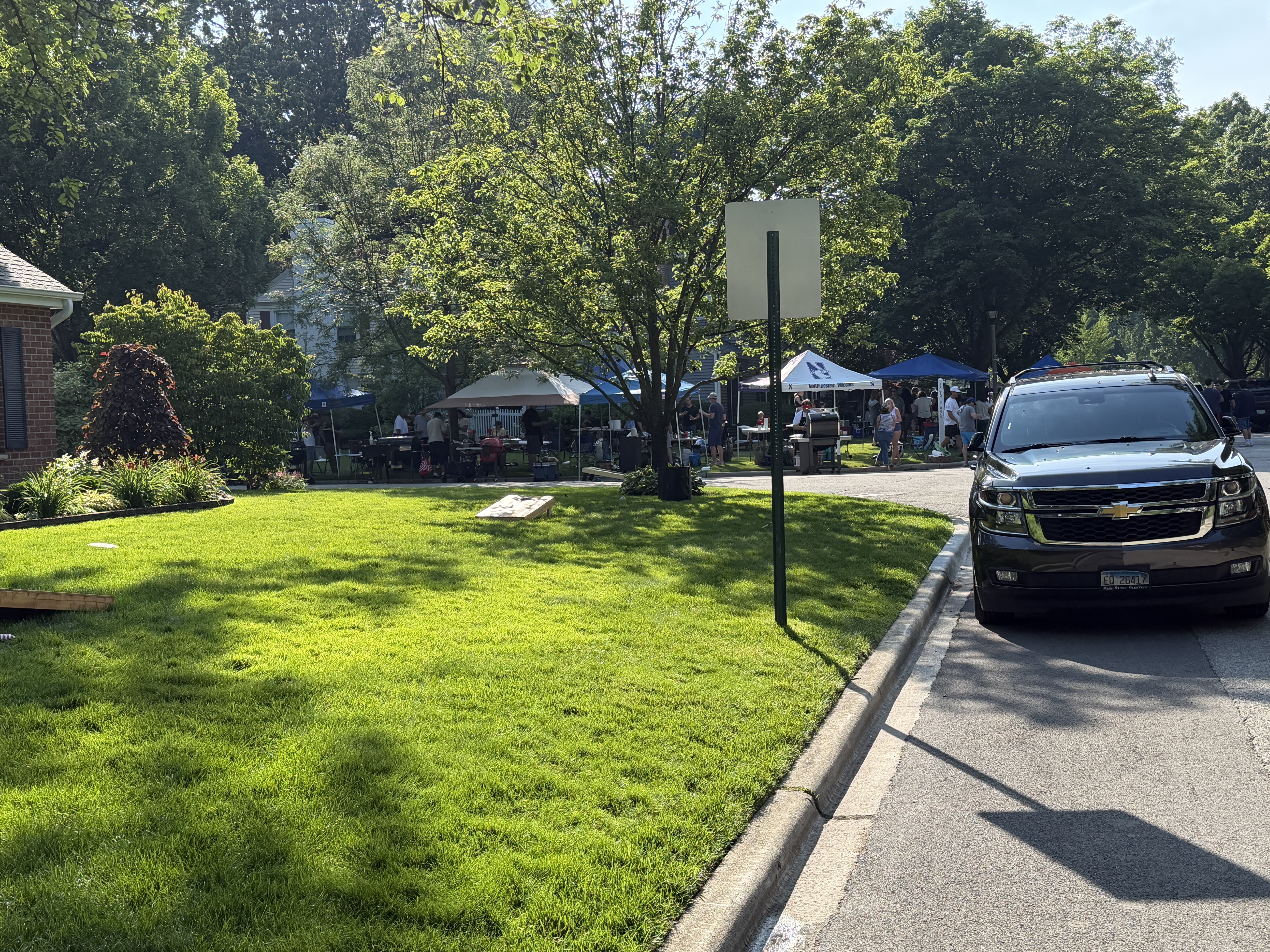
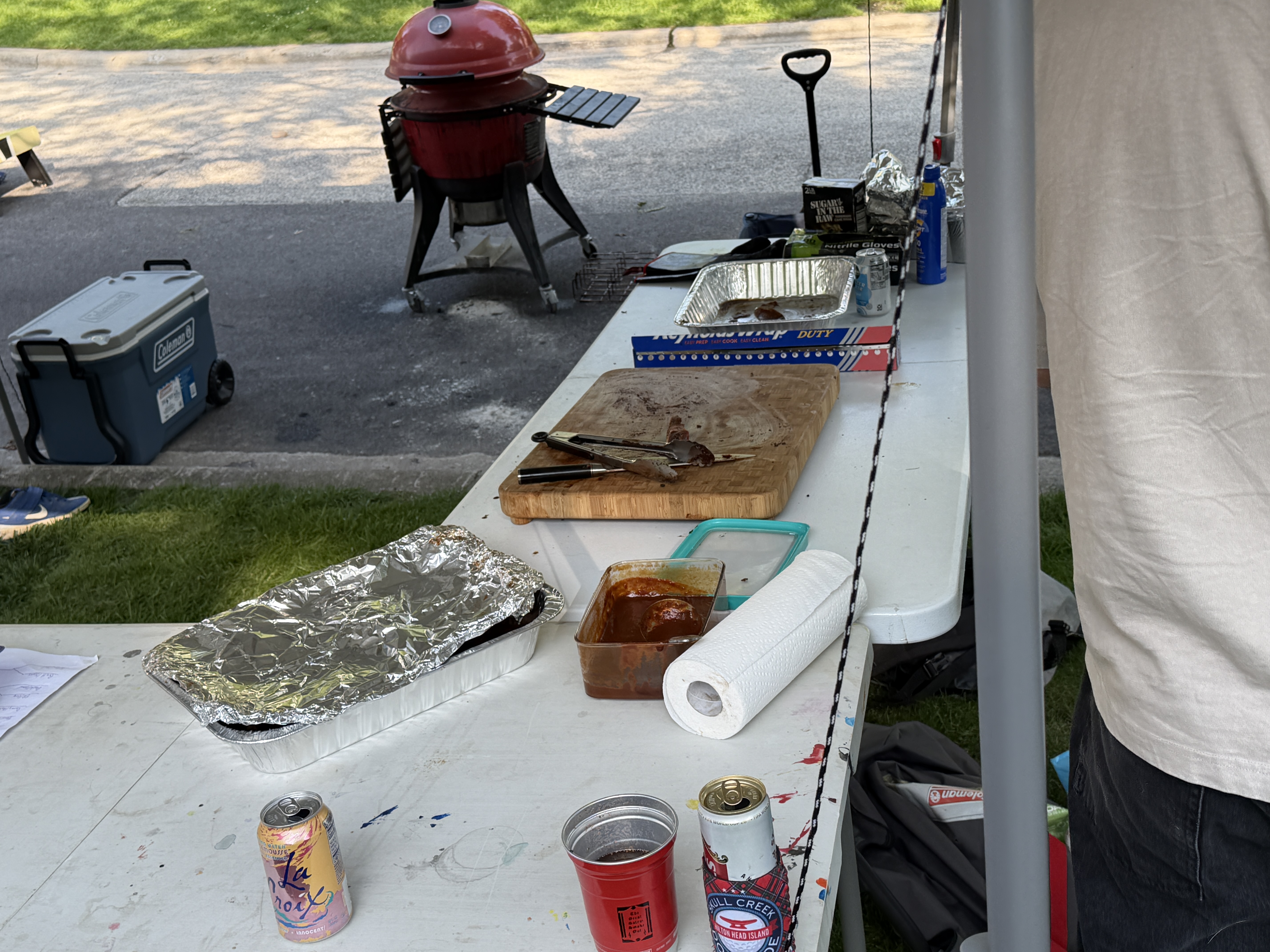
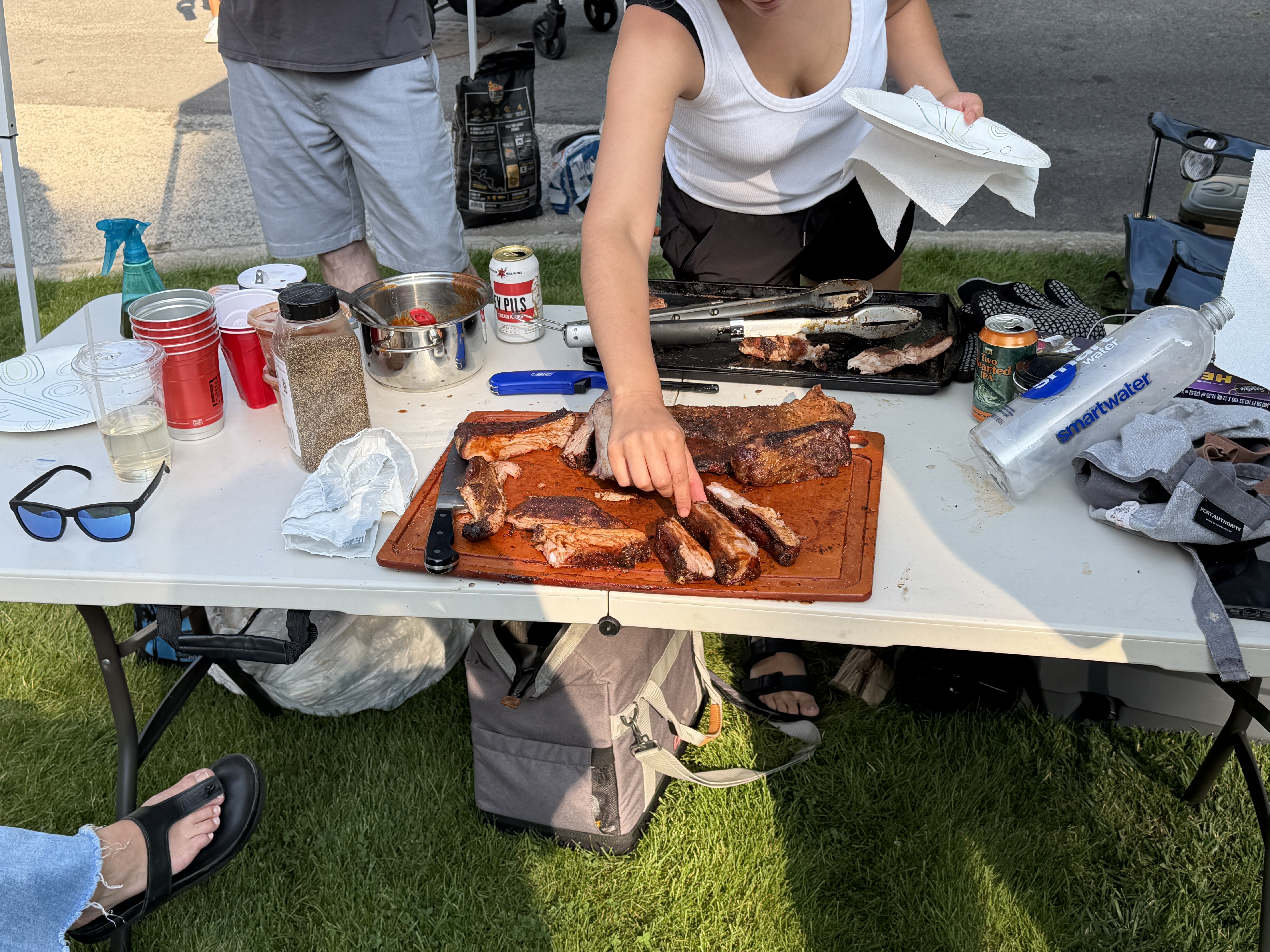
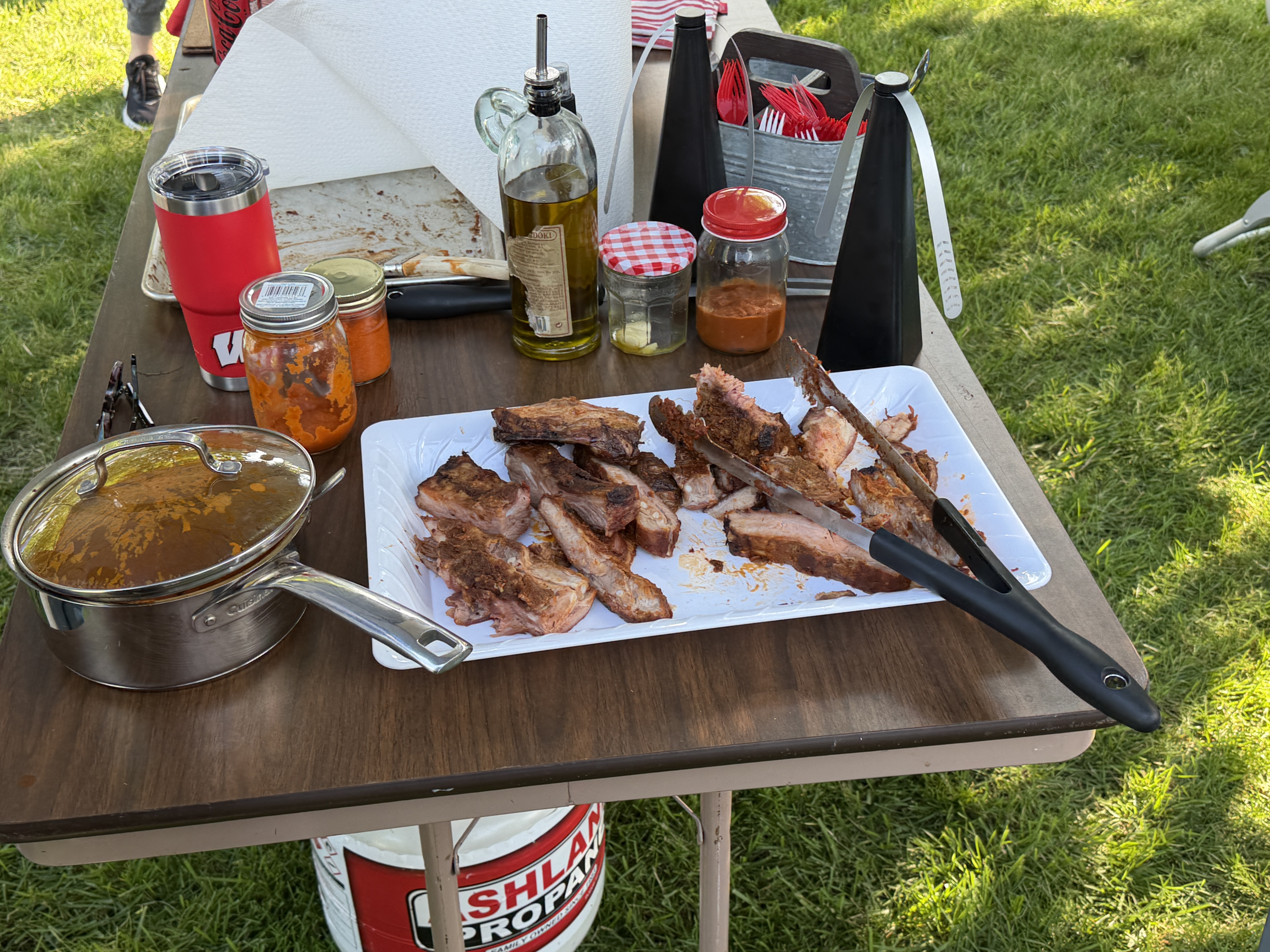
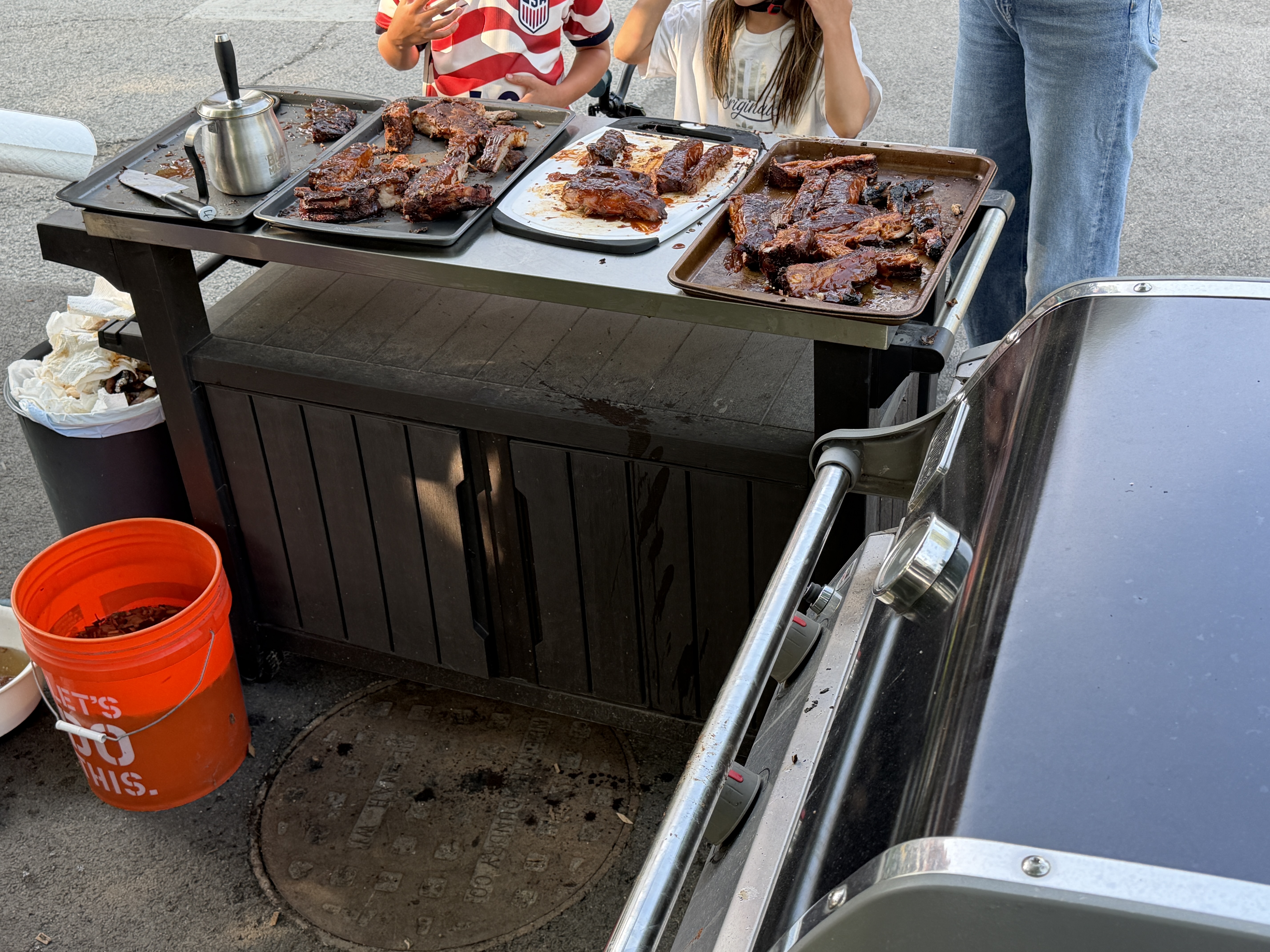
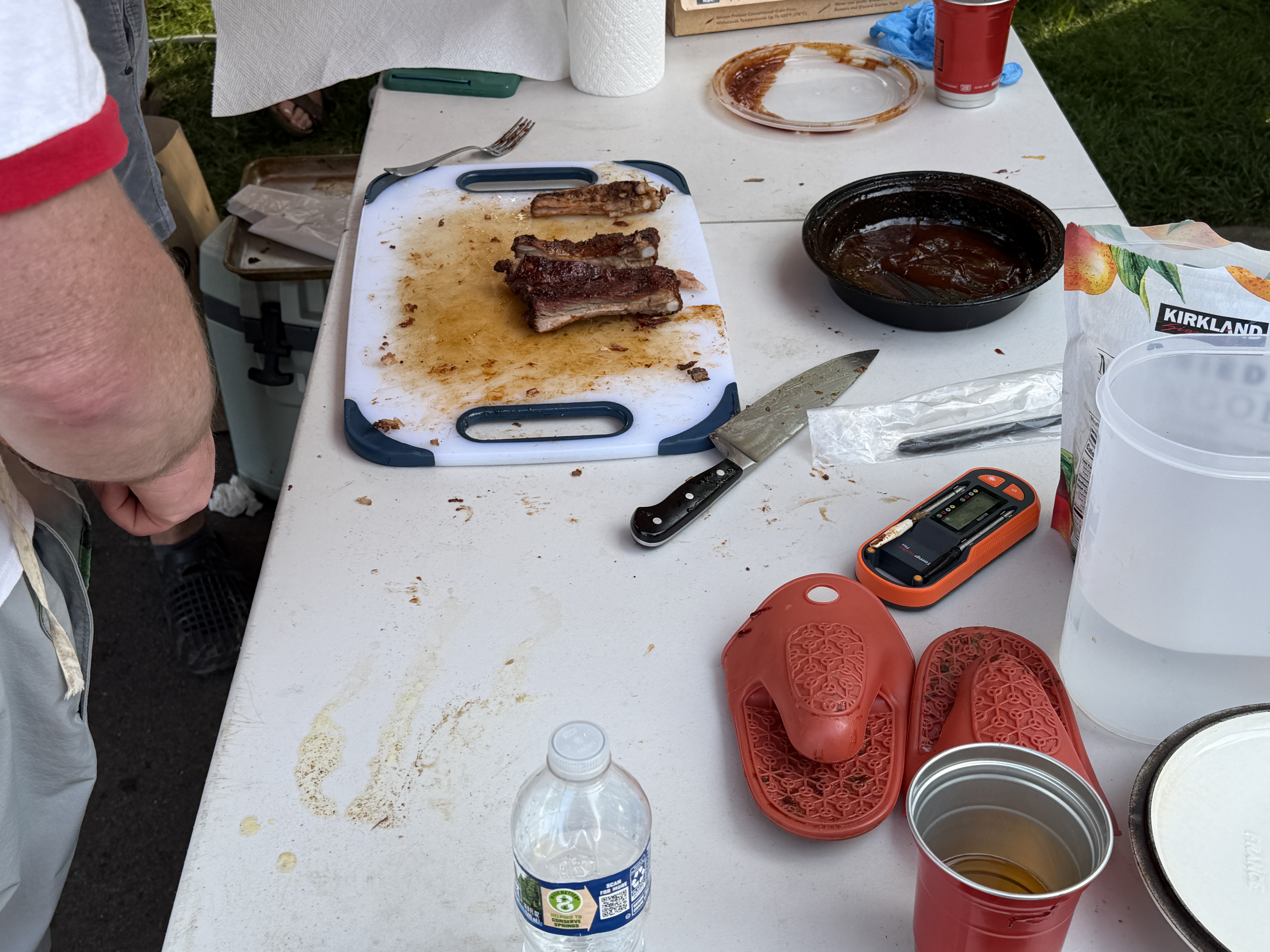
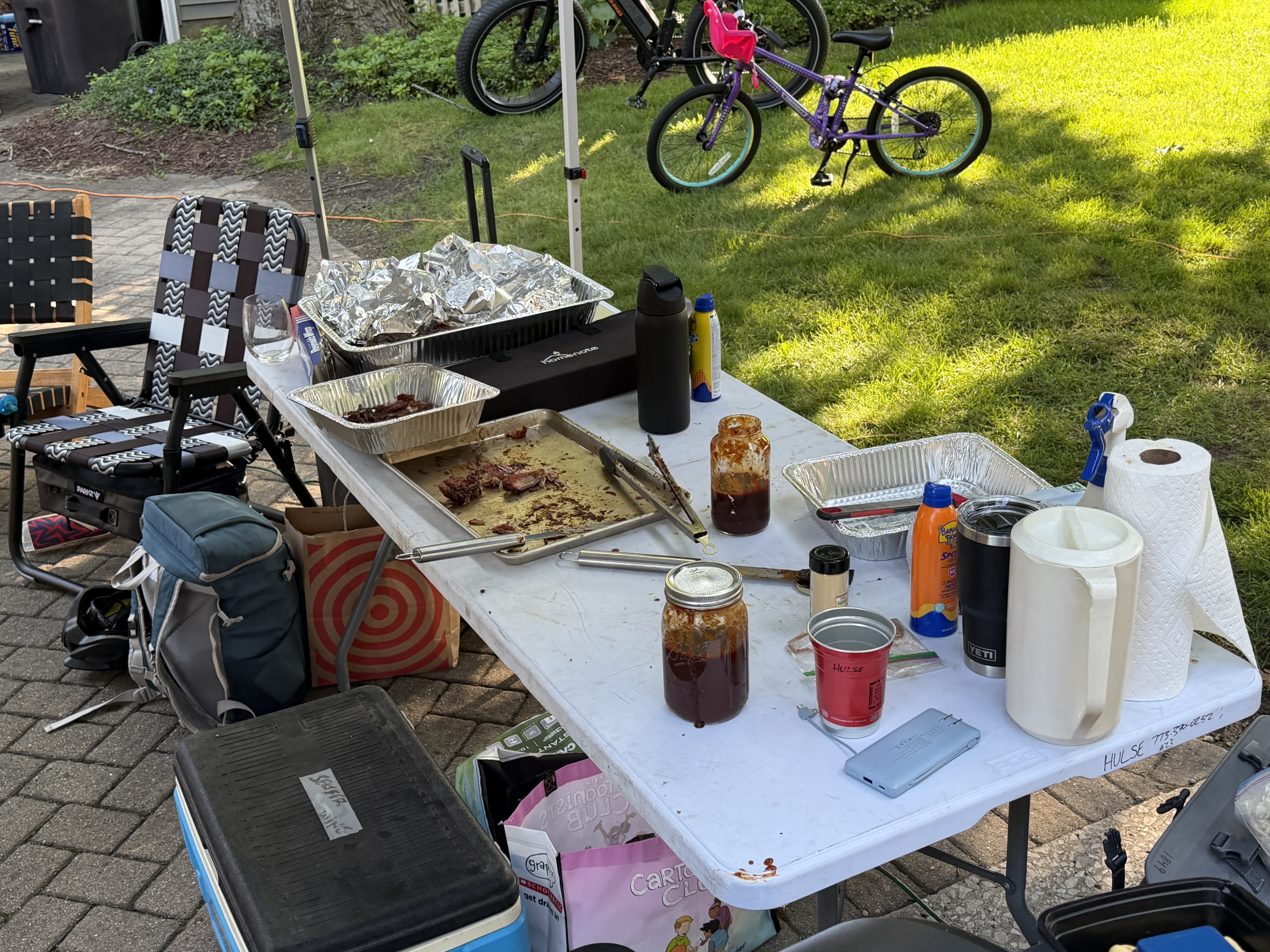
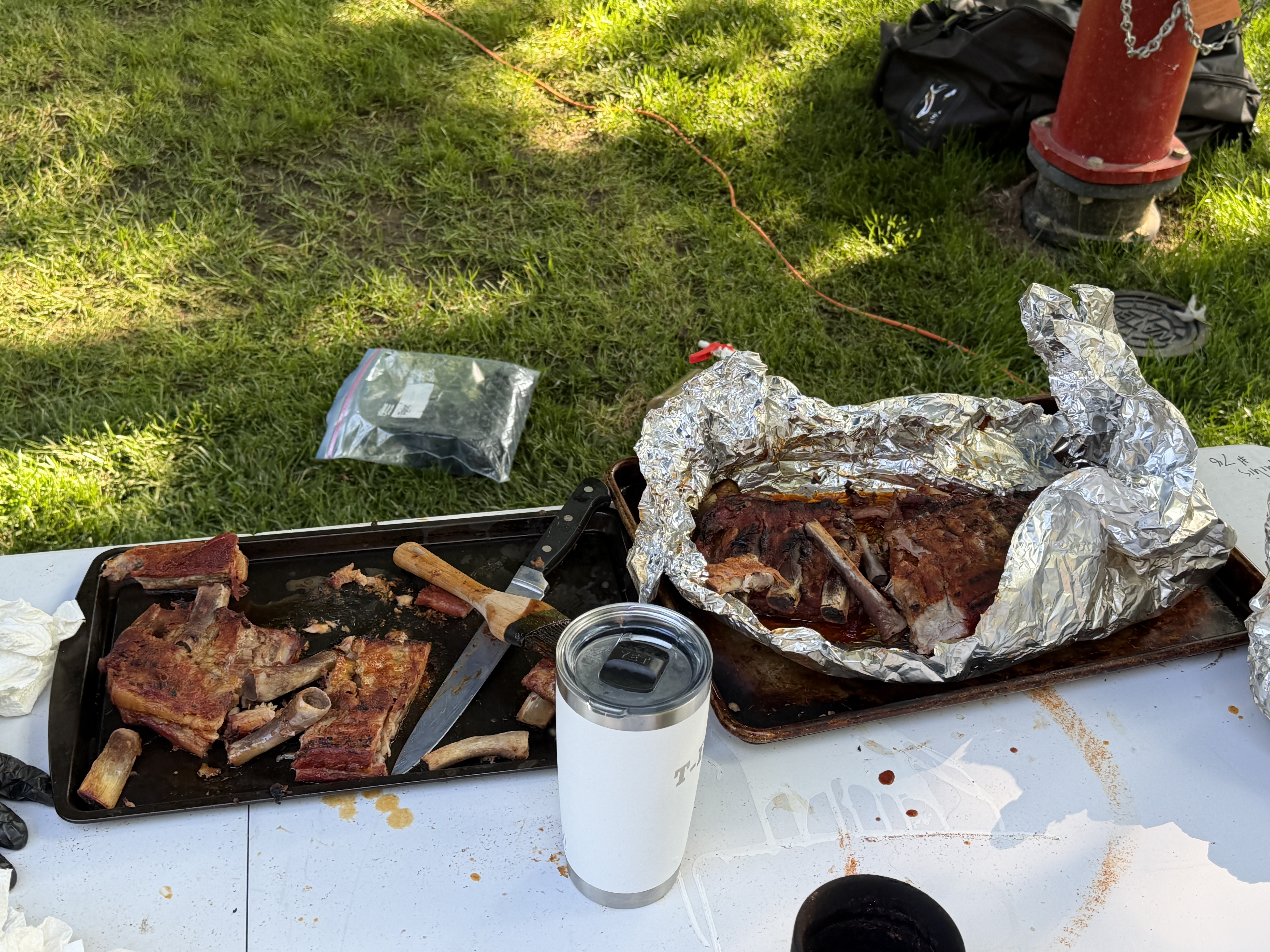
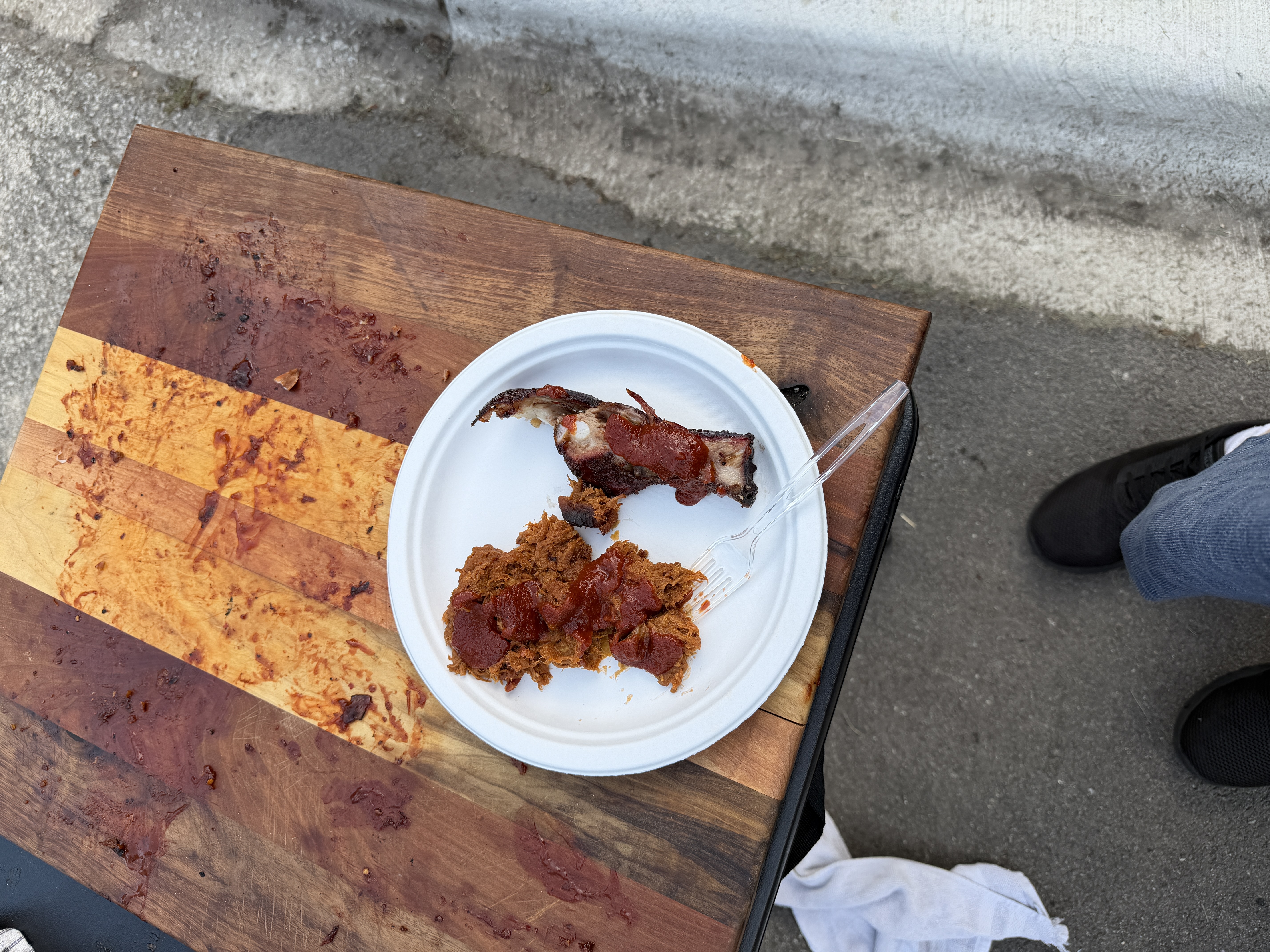
The first day of my break started with our neighborhood rib cook off which raises money for Breakthrough T1D: Type 1 Diabetes, formerly Juvenile Diabetes Research Foundation. I ate a few pounds of smoked pork, and drank some beer with my neighbors.
My next project was going to The Money Museum at the Federal Reserve Bank of Chicago. It’s a very basic introduction to how money works, but it’s free, and it is interesting. I decided to make a vlog out of it.
This also lead me to get and unbox some error coins.
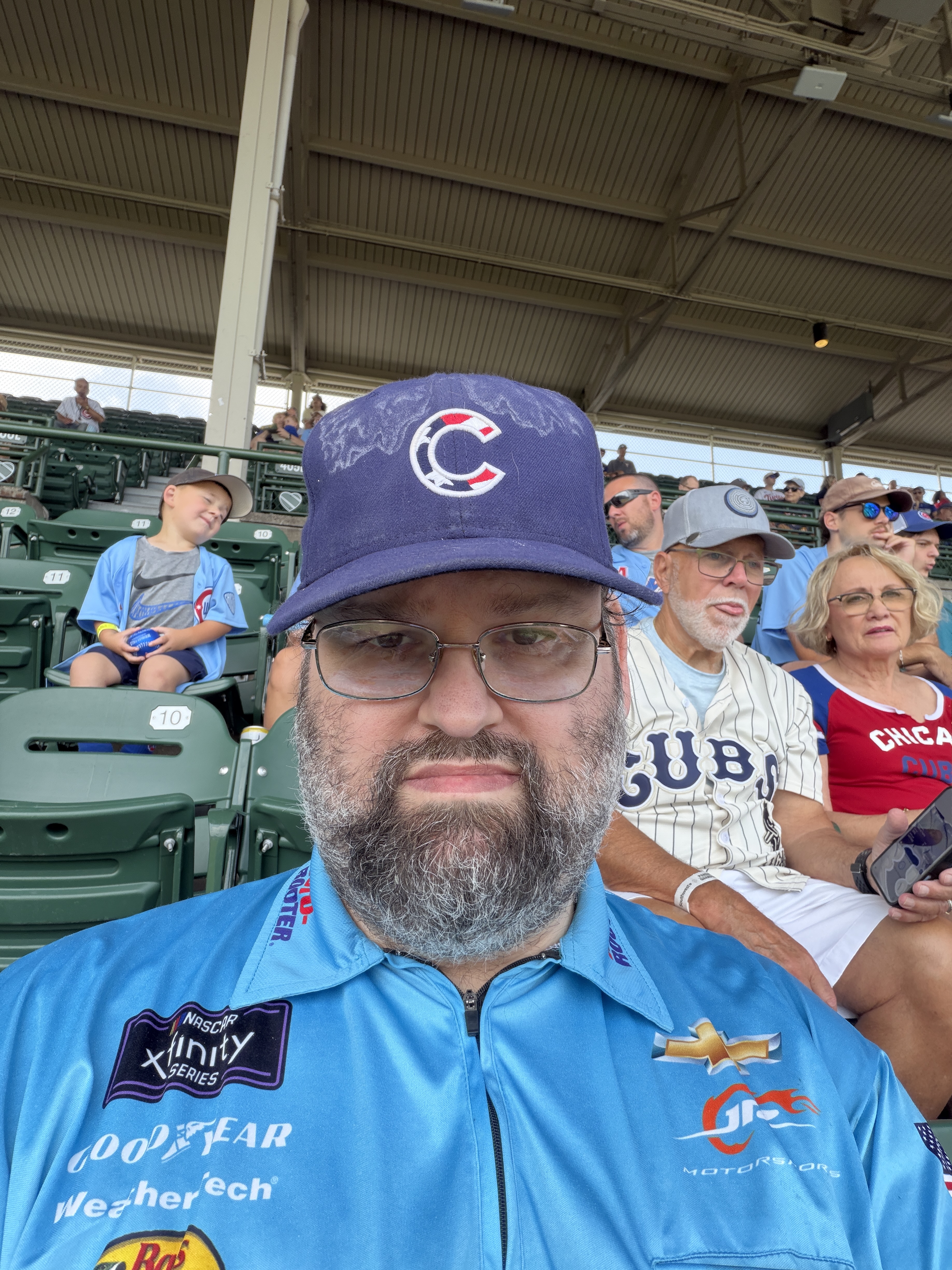
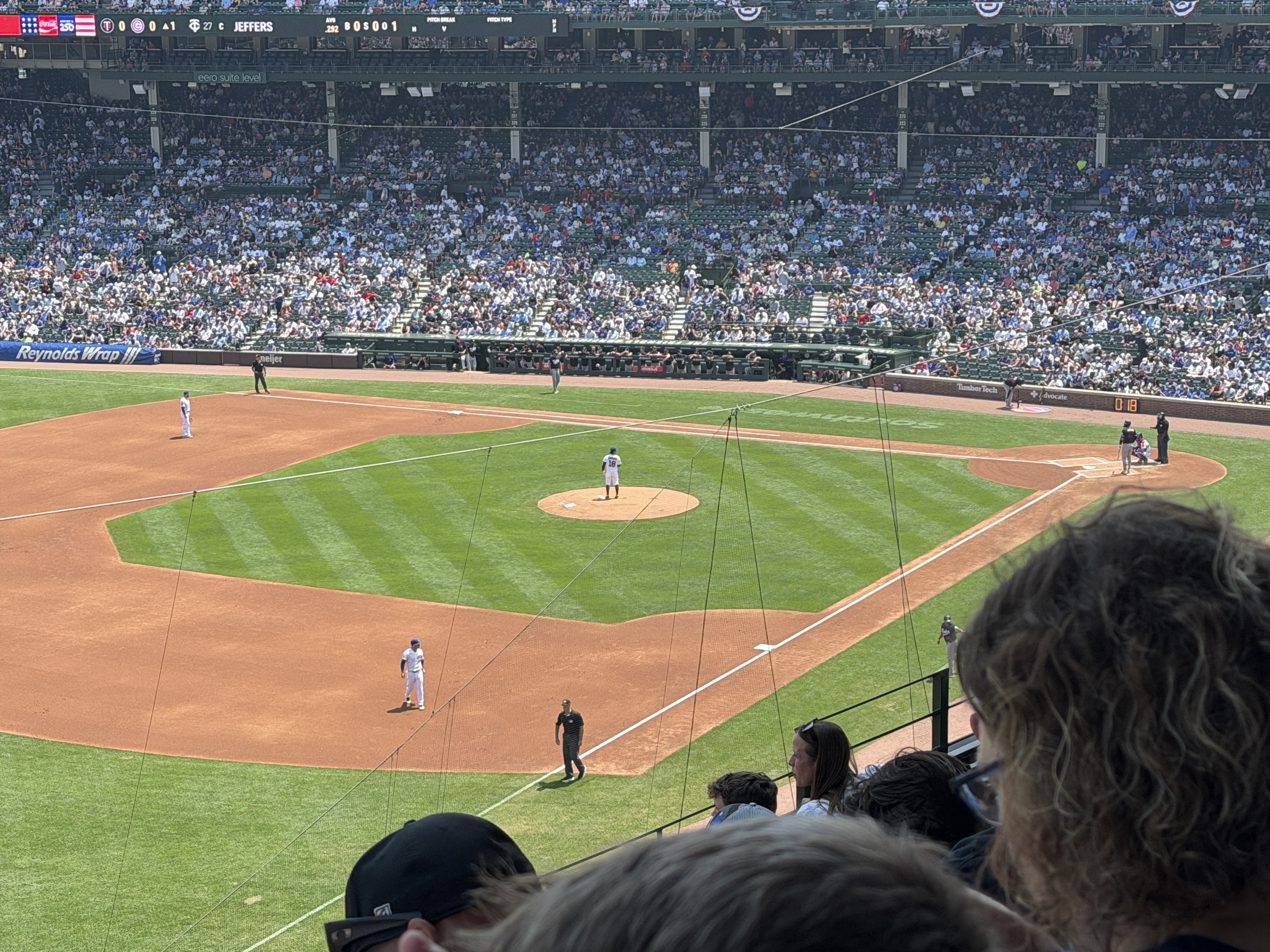
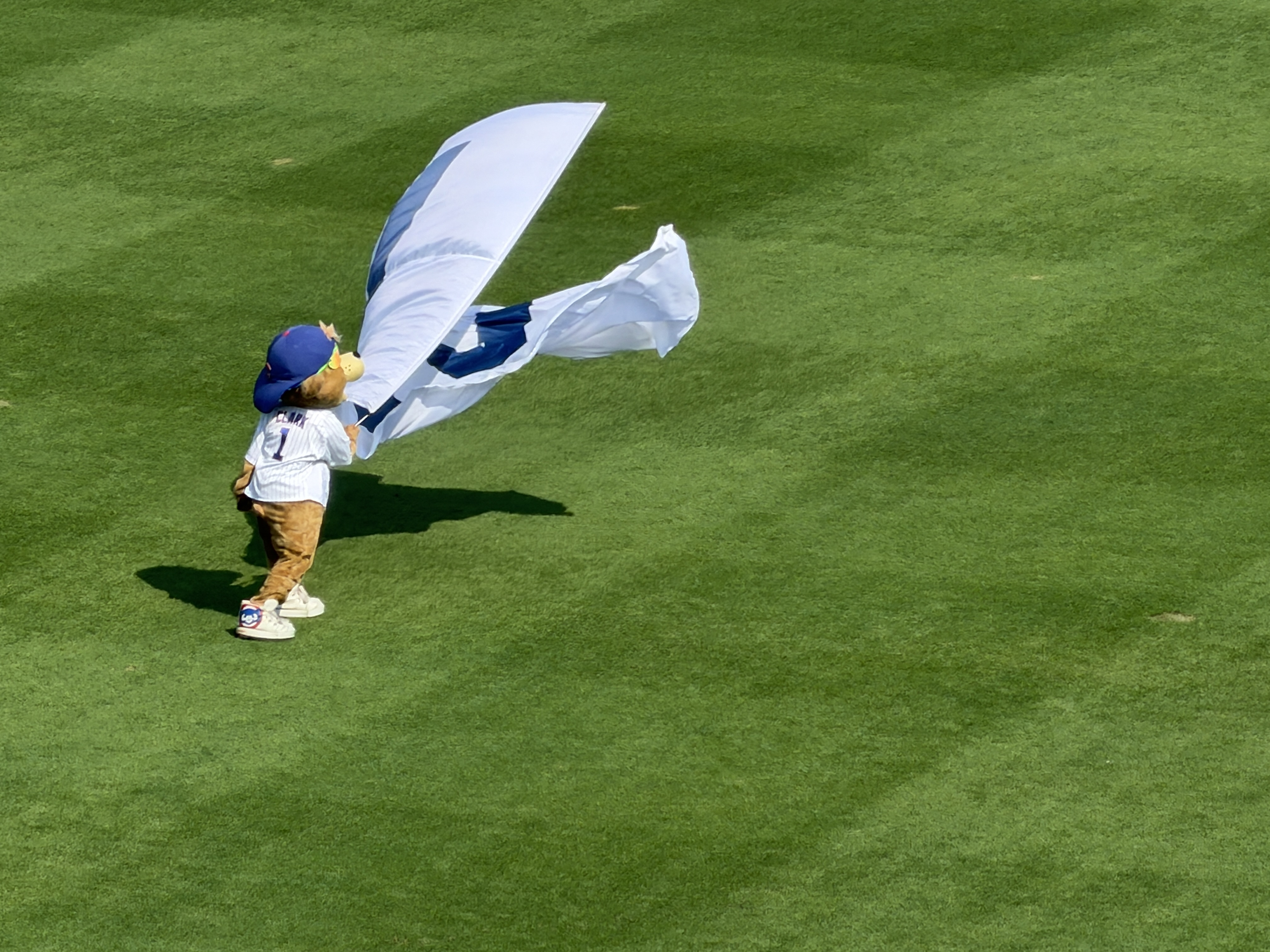
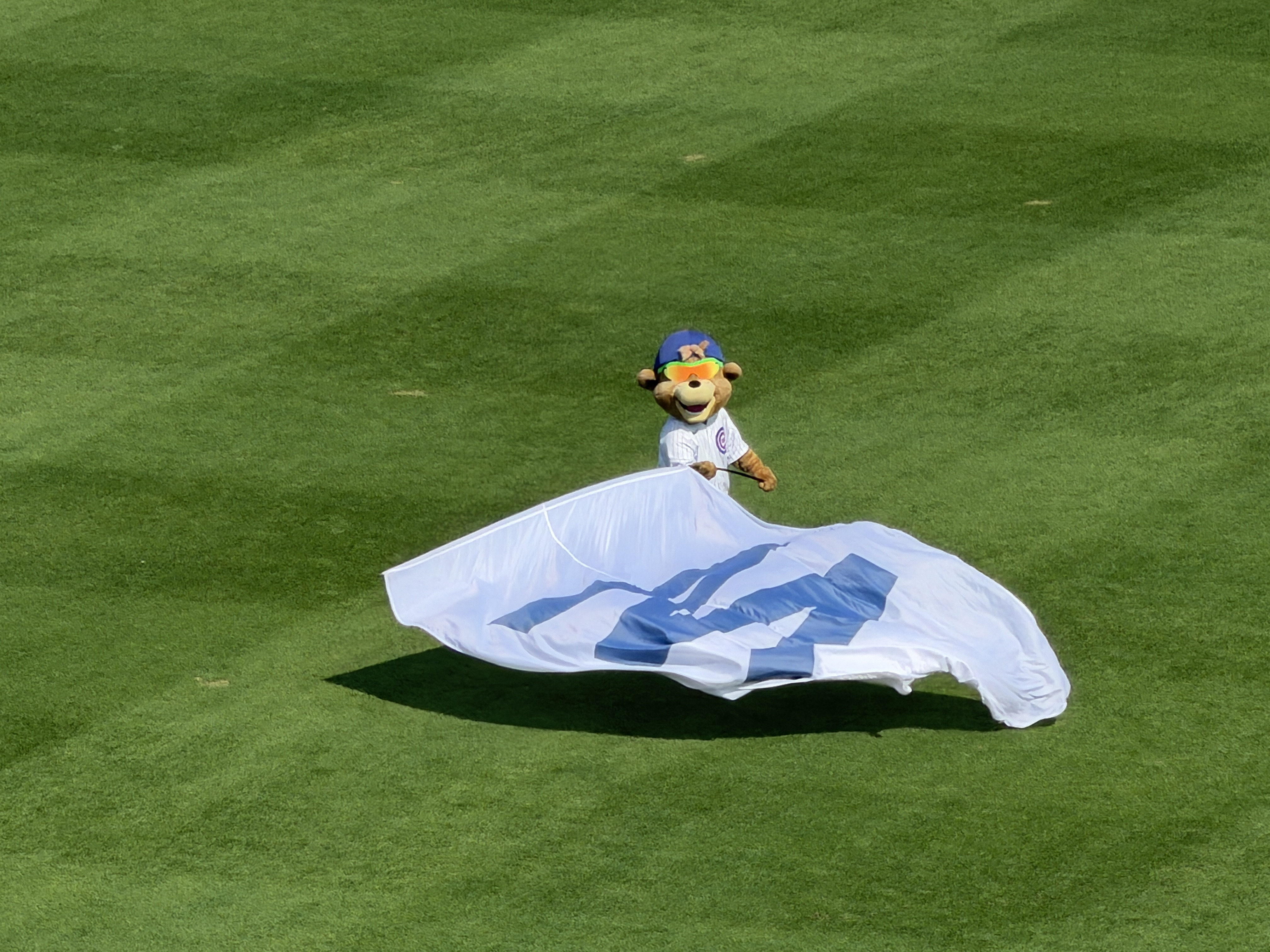
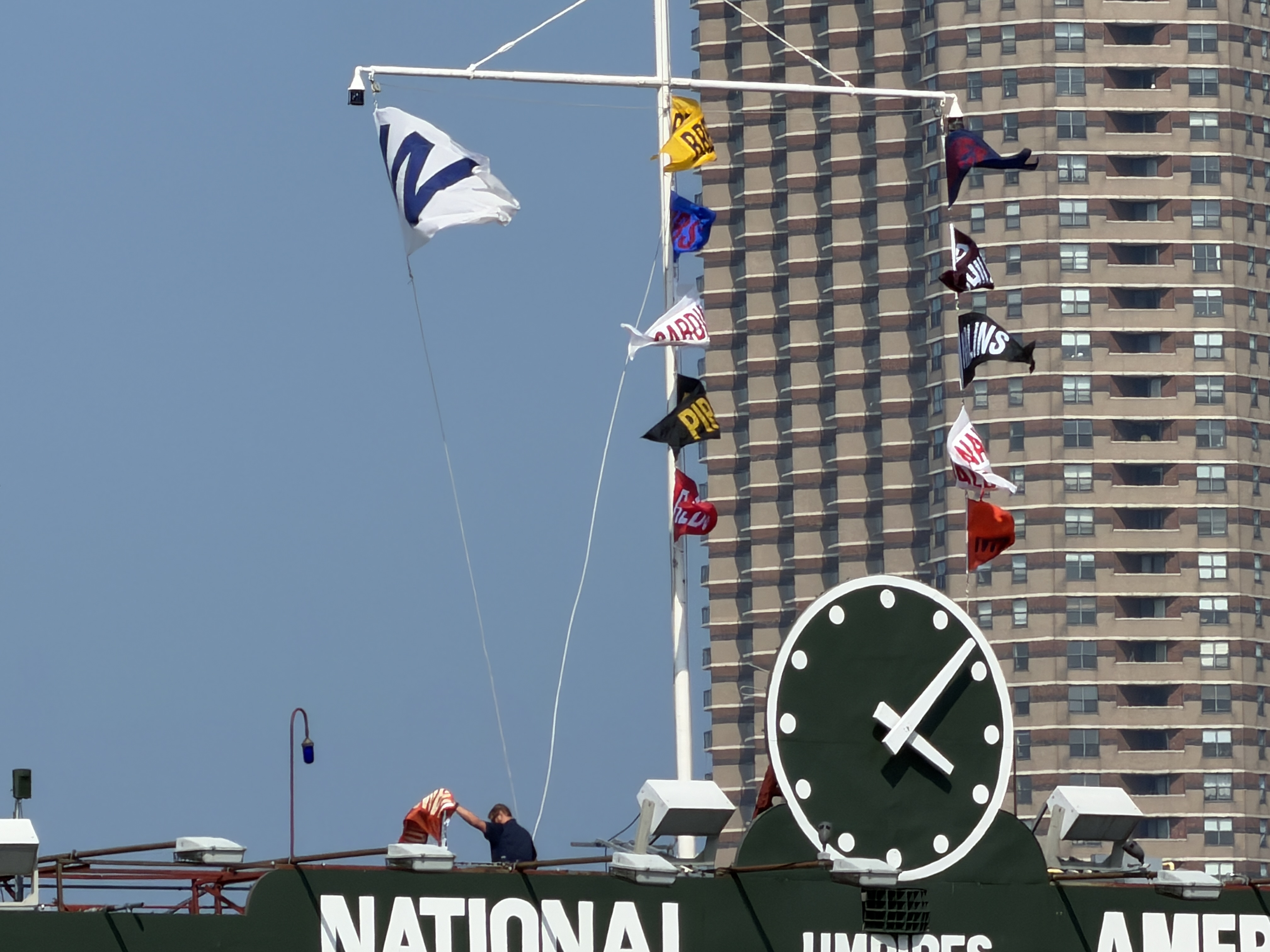
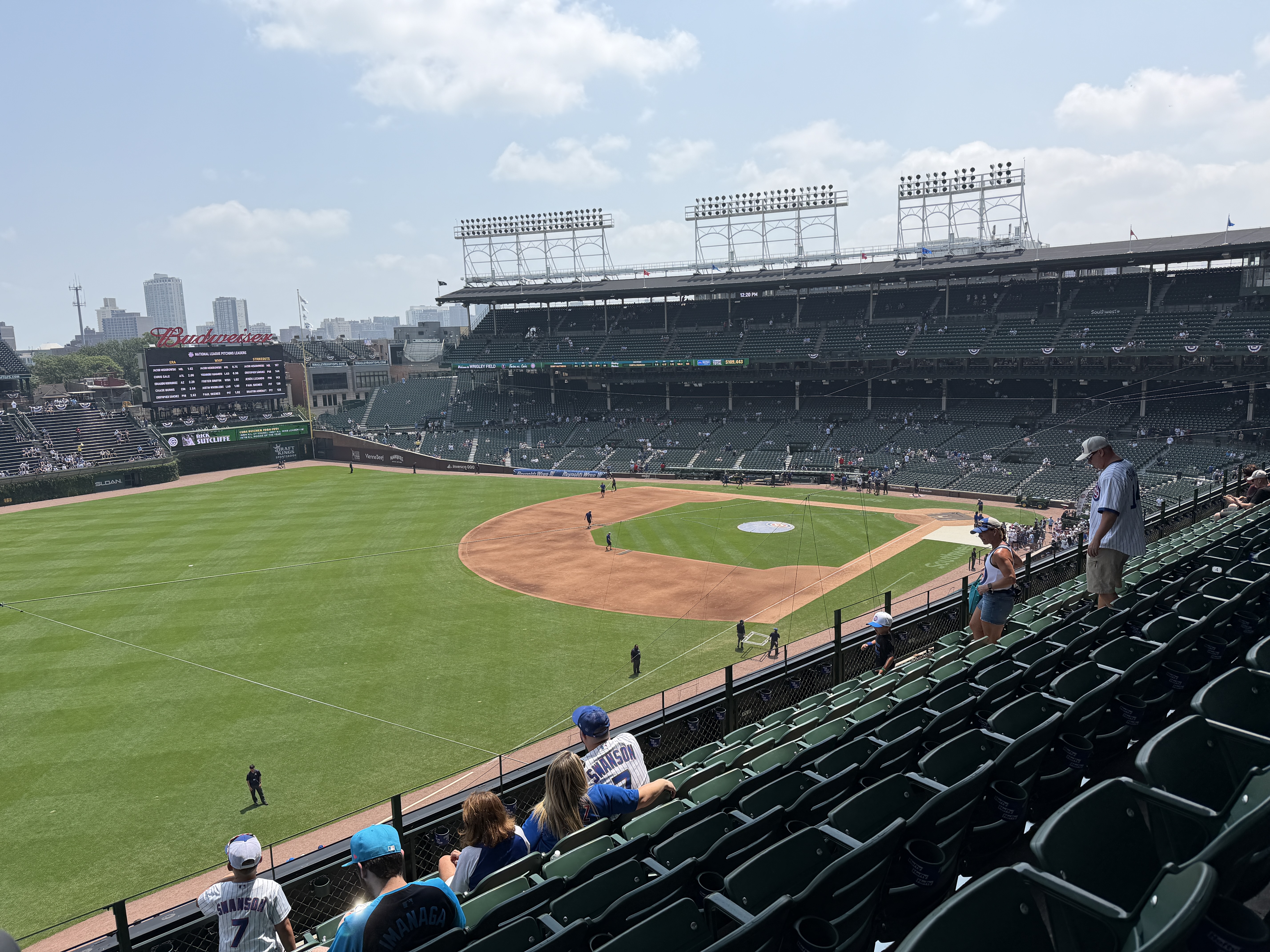
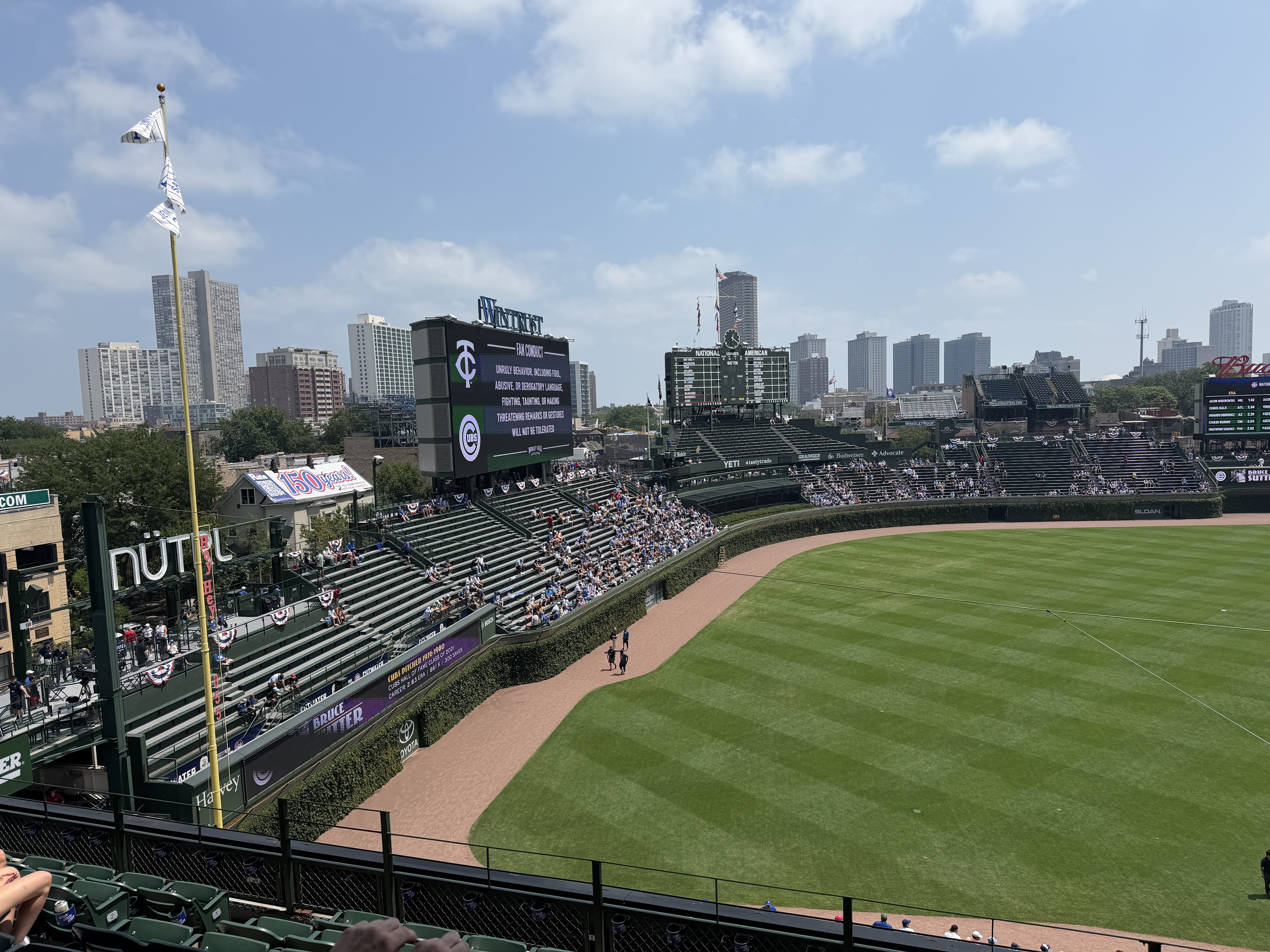
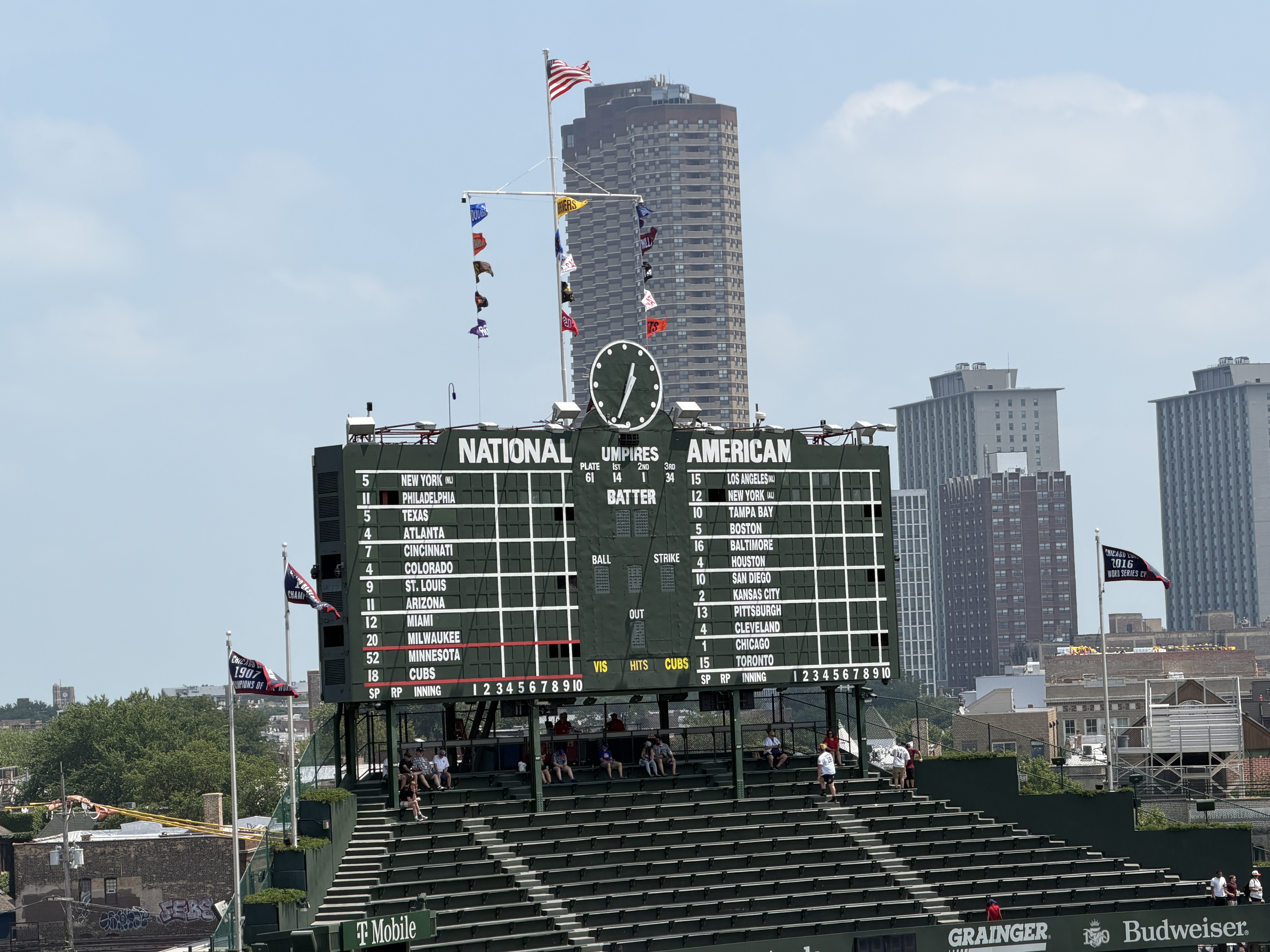
My friend Josh came to visit from California, and, amongst other things, we went to a Chicago Cubs game at Wrigley Field. That was a lot of fun.
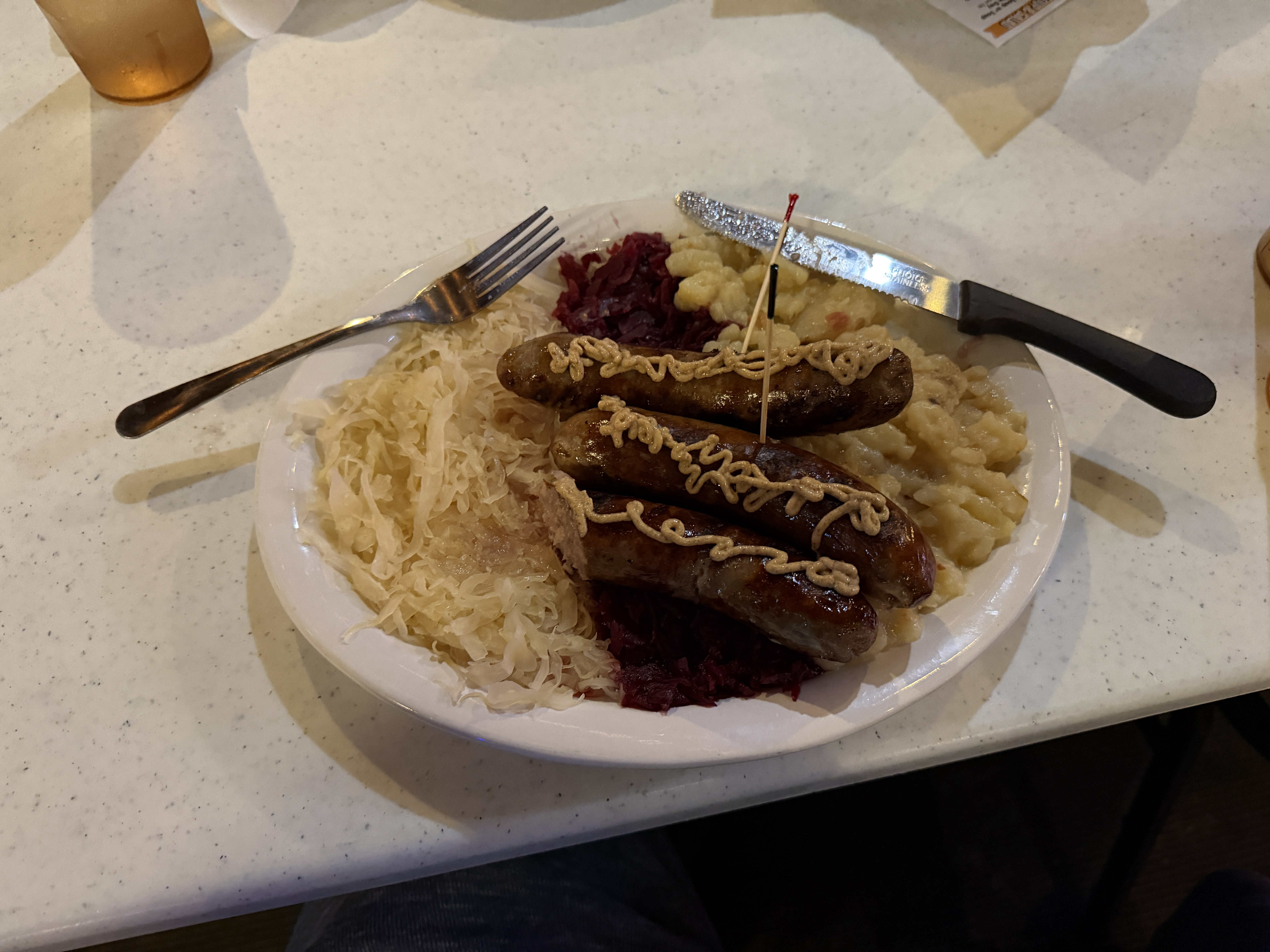
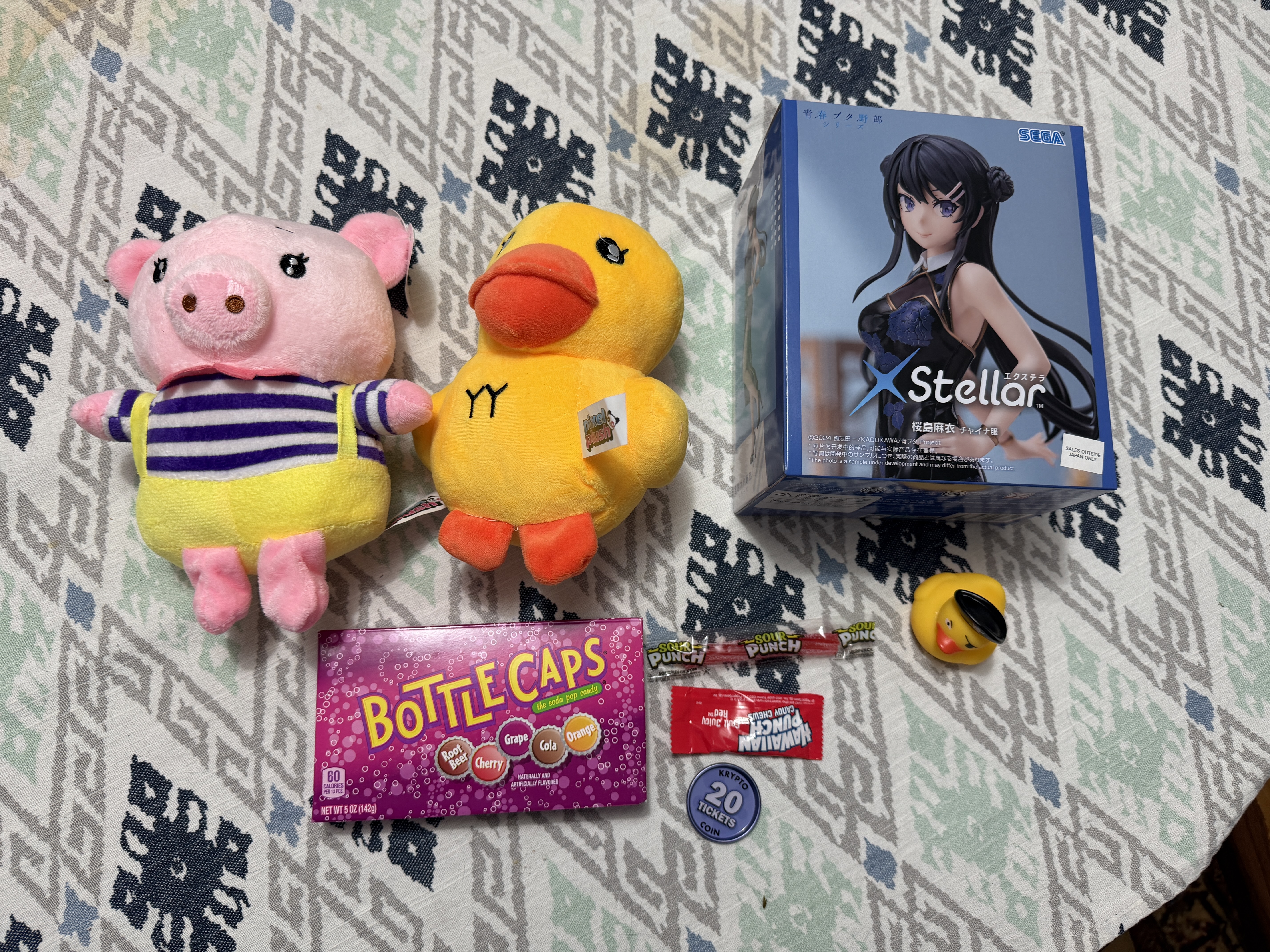
The big event, at least for me is when our group of friends went to The Brat Stop in Wisconsin, a favorite of our family for decades. I played their claw machine, and won three prizes for $5. Then we went to Round1, which is a Japanese arcade company, where I won a figure of Mai Sakurajima from Rascal Does Not Dream of Bunny Girl Senpai. Yes I had to look this up. I also played a coin pusher.
Now that my vacation is over, normal operations will resume.
By the time you read this, I will be taking a very badly needed vacation. I had thought I would have something ready, but this came up, and I wanted to talk about it.
As I mentioned previously, I am a railfan. I’m not the kind that goes out and films random trains, but I like railroads, and I like trains. While most railfans are good people who respect the railroads and their property, there are a subgroup of railfans referred to as “foamers.” Foamers are railfans that can’t control themselves around trains.
I’ve talked about one specific foamer on this blog and my podcast. This individual hails from Nebraska, and was arrested after causing a BNSF train to hit a coal hopper car, causing a derailment, and over $350,000 in damages. I’m not mentioning his name or social media channels, since he does not deserve any views or engagement.
Well, the justice system has spoken. He was convicted of one count of criminal mischief costing over $5,000. Last week, he was sentenced to five years’ of probation. To that, I say…GOOD! This idiot, and his fellow foamers are the kind of fans that will mess things up for everyone else.
I’m glad that this is being taken seriously. These kinds of fans are terrible. We’ve already had a fan run on to the track during a red flag at the 2026 United Rentals Driven to Serve 250, a fan ran on to the track and engaged one of the drivers. This brain genius didn’t account that since this was on Naval Base Coronado, this was a federal offense, and he was arrested bt federal authorities.
Again, anything and everything that can be done to dissuade this behavior is warranted, and I love that people are facing consequences for their actions.
So, after my last post on Dale Jarrett, I had decided to take a week off. That ended up turning in to two weeks because of reasons far beyond my control. I will try to post more often, but I can’t guarantee anything solid.
With that, I’d like to discuss my recent post on the Mission #2Fast2Tasty NHRA Challenge. A very valid point was made in the comment section by someone named Neil.
“I feel any amount of money can help drag racers. It gives fans something to look forward to in qualifying. Gets Mission Foods name mentioned a lot on the media and by announcers or anyone describing the race. I can’t see anything bad about it.”
After thinking this over, I agree. However, the same formula over and over and over gets a little stale. If you have to have the challenge, switch it up every event. It doesn’t always have to be “semifinalists from the previous race against each other in a pair of rematches.” You can have other qualifiers. Here are a few examples”
-Top 4 fastest speeds
-Top 4 qualifiers
-Top 4 elapsed times
-Top 4 reaction times
-Top 4 popular fan votes
See what I mean? It’s the same basic thing with a cash bonus, but it would be a little different each time. It keeps the event fresh. It keeps it fun. Keeps the fans invested. Give us a reason to care sometimes. Slight changes can keep fans invested.
A huge part of the reason fans really aren’t invested in either the NASCAR All-Star Race, or the Clash is that they are more or less the same. I think the Clash should be for pole award winners only, and the All-Star Race should keep a similar format. It would be different enough, and interesting enough to bring the fans back. We don’t need the same two bonus events within a four-month period. Again keep the events fresh, and give the fans a reason to care. That’s all we ask.
So, my annual summer sabbatical starts on Wednesday, and I’ll see you all in August!
Editor’s Note: This was going to run last week, but given Kyle Busch’s sudden passing, I pushed it back to this week. Enjoy!
It’s the biggest racing weekend on the American racing calendar, and I’m excited for this week’s column! I’ve been waiting for the perfect occasion to discuss this. I’ve been sitting on this since January, and I felt that the Coca Cola 600 weekend is the perfect time to discuss this. Without further ado, let’s get started.
Although Dale Jarrett had been racing full time in the NASCAR Cup Series since 1982, it wasn’t until 1991 that he scored his first win when he won the 1991 Champion Spark Plug 400 with The Wood Brothers. In 1993, he signed with Joe Gibbs Racing as their first ever driver. His 1993 season was strong, and he stared by winning the 1993 Daytona 500 and finishing fourth overall.
1994 however, was a different story. Despite winning the 1994 Mello Yello 500, he was never higher than 15th in the point standings. It was clear that, despite the strong 1993 season, Gibbs and Jarrett just weren’t gelling as a combo.
It was during that 1994 season that Ernie Irvan suffered his near career ending crash at Michigan. Gibbs and Jarrett, seeing the writing on the wall, parted ways after the 1994 season. Jarrett signed with Robert Yates Racing, and Joe Gibbs Racing signed Bobby Labonte. This is one of the very rare instances in sports where everyone came out ahead. Jarrett and Yates gelled instantly, as did Gibbs and Labonte. Within a few years, all four were top shelf combinations and Cup Series Champions.
When it comes to Dale Jarrett’s 1994 campaign, I have an autographed card,
and a couple of 1994 Mello Yello 500 napkin rings,
but the most important pieces I have are the original art for his 1994 Interstate Batteries firesuit.
His 1994 firesuit was designed by Charles Edward Daffron Jr. He passed away in 2021, and, according to his obituary:
“He graduated from the University of North Texas with a Bachelor of Fine Arts in Advertising Design. After college, he worked for Interstate Batteries in Dallas designing graphics for their NASCAR and Indy motor sports program. It was the highlight of his career.”
When you look at the artwork up close, it’s interesting how many little details are noticeable, in terms of Daffron’s work, and how simpler the designs were, when compared to those of today.
Wherever that firesuit is today, probably in the hands of a collector, I hope it is being cared for well.
I’m taking next week off, I’ll see you in a couple of weeks.
So, as is tradition, WWE released a number of their superstars after WrestleMania. As expected, this led to a lot of fans being upset with some of the releases. This followed a somewhat lackluster WrestleMania, where fans were upset that some performers weren’t featured.
Well, I’m going against the grain here when I say that I agree with the releases, and perfomers not being featured in WrestleMania. Why? Well, here’s some food for thought.
WWE doesn’t run bingo halls. WWE doesn’t run swap meets. WWE doesn’t run rec centers. WWE runs big arenas across the world to huge crowds. WWE is not a small time promotion, WWE is the biggest promotion.
I say this because it’s part of why I agree with the releases. WWE is the top promotion in the world. A seat at the top table is not easy to get, and I feel that seats at the top table should be for the best. Not everyone who has a seat at the top table will stay there forever. Never forget that every career has a shelf life, and every career will end at some point. In many avenues, especially professional wrestling, your career’s end isn’t yours to define.
Objectively looking at the 2026 releases, it’s clear in the lead up to Wrestlemania, that most of them were floundering creatively. The New Day hadn’t done much in over a year. The MFT’s weren’t really going anywhere. The Wyatt Sicks had no momentum whatsoever for several months. In fairness, I actually forgot that a few of the releases still worked for WWE.
Again, seats at the top table are at a premium. Just because you had a seat yesterday, doesn’t guarantee you a seat today. Now there is another aspect that seems to go unnoticed. There are also a series of call ups from NXT, the top echelon of WWE’s developmental program. This is something that all performers need to understand, be it WWE, TNA, AEW, amongst others. That is that if you can’t cut the mustard, there are plenty of others who can.
NXT has had some pretty good call ups in recent years, and it’s always interesting to see how these go. Even some main roster signings have done well. Time will tell.
Now I’d like to discuss something that fans say that makes no sense to me whatsoever. Again, it’s said after every release. Fans will always complain about how much money WWE and TKO are making and whine about how it’s not right. So let me ask a question. Why would you keep employees who aren’t really being used for much? What entitles a wrestler to a WWE contract at all, let alone if they aren’t being used?
Let’s take Apollo Crews for example. Great athlete, very good in ring, but let me ask this…when was the last time we saw him wrestle on television in a singles match? Well, according to Cagematch.net, it was January 24, 2025, beating Johnny Gargano. He wrestled on Smackdown on February 13, in a 10 man match, and the last time was on April 14th in the 2026 Andre The Giant Memorial Battle Royal. He’s one of the guys I forgot still worked in WWE.
Why would WWE keep Apollo Crews if they weren’t using him, and had no plans? Why spend millions on talent that have no long-term prospects, when that same money can get fresh faces in? WWE and TKO are businesses, and, at the end of the day, money is the goal. I’m sorry to see them go, but life will move on.
I’ve done The Driver Suit Blog since January of 2013. I’ve shared my love for auto racing and the uniforms and memorabilia. During that time, I’ve been harboring a deep secret. It’s been boiling inside me for some time. I simply haven’t been able to reveal it until now. I have to confess…I am a railfan. Whew! That felt good!
OK, seriously, all joking aside, I’ve always enjoyed traveling by train, be it CTA, Metra, or Amtrak. I’m also into watching train documentaries on YouTube. I’m not watching random videos of trains, but informative videos.
I was watching a video by Thunderbolt 1000 Siren Productions on the history of Conrail,
and I suddenly remember that I may have some railroad stuff in my basement. Sadly, it’s gone now, but I’ve decided to get some new stuff.
First, I found a few Conrail desk commemorative items, as show below.
Second I got some cheap engines and rolling stock, mostly because it was cheap.
My favorite item of this new group is road number marker from Alton & Southern Railway 1511.
Alton & Southern Railway 1511 or ALS 1511m was an EMD SW1500, a 1,500 horsepower diesel-electric switcher locomotive built by General Motors’ Electro-Motive Division from 1966 to 1974. Alton and Southern Railway ordered a total of 18 of them, numbered 1500 to 1517. Alton & Southern Railway 1511 was built in February of 1970, and was the final build of EMD order 7190. I don’t know if Alton & Southern Railway 1511
Using pictures, I was able to determine that the road number lights were light on a dark background, at least on the front. This was changed not long after, and this appears to have been a long-used piece of glass, and it shows a lot of use.
As for Alton & Southern Railway 1511…well…I don’t know. I don’t know if Alton & Southern Railway 1511 still exists. I did a lot of research, and I can’t figure out anything. The best that I can come up with is that as of 2019, it still existed, as it was photographed. But that’s it.
I’ve not been willing to talk about this is a very simple reason. Truth is, like any fanbase, there are those who will take thing too far. I talked a few years ago about a couple of them, and since the more egregious of the two has been convicted, and, at the time of writing, is facing as much as two years in prison, and a $10,000 fine. This is also in addition to being held responsible for $350,000 of damage he caused.
So, I’m a railfan. I’m proud of it, and I will continue to collect train stuff.
So the NHRA Mission Foods Drag Racing Series season is progressing well. The racing has been good, and I’m enjoying it. I don’t always get around to watching the qualifying sessions. I watched some back DVR recordings last night, and I’ve noticed something.
Is the Mission Foods 2 Fast 2 Tasty Challenge Challenge really needed? I get that drag racing can be one note, but the the Mission Foods 2 Fast 2 Tasty Challenge isn’t as needed as the NHRA might think. Is it moving ticket sales? Are people buying more tickets to watch the the the Mission Foods 2 Fast 2 Tasty Challenge? If so, then fine, but I don’t see this as the ticket and rating mover that others think it is.
Truth is, while I get what they are trying to do, it does NOT need to be used as often as it is. The Dash 4 Cash in the O’Reilly Auto Parts Series is a similar thing, but it’s only four races in a season. The Mission Foods 2 Fast 2 Tasty Challenge Challenge is used in 13 of 20 races of the season. 13 races out of 20 races…why? Is there really that much demand?
If the NHRA needs something like the Mission Foods 2 Fast 2 Tasty Challenge, why not come up with a few different ideas, a few different gimmicks, and switch it up at different events? A few less Mission Foods 2 Fast 2 Tasty Challenges, and a few more callouts. Also, using the areas around tracks to come up with a gimmick wouldn’t hurt ether.
I’ve even got a good idea for the NHRA Cornwell Quality Tools NHRA U.S. Nationals at Indianapolis. Call it the Mission Foods #1 Qualifier Challenge. It would work like this:
All four of the pro categories would have all of their #1 qualifiers race each other. Their ladders would be determined by their regular season points. It’s a standard bracket, and the winner receives $50,000, with another $50,000 being donated to a charity of the driver’s choice.
I’m not opposed to a gimmick, but only if used in moderation. It can be done well, but one gimmick used across 65% of races isn’t the way to go. Variety is the spice of life, and I hope the NHRA follows.
This week’s column is going to focus on one of the most deadly terrorist attacks in American history, the Oklahoma City bombing. Two days from today is the anniversary of the bombing. I’m going to focus on an aspect that has gotten little, if any attention. It’s the part that the NHRA and their suppliers unwittingly played in helping the bomb get built. I’ve never seen or heard this discussed anywhere. I’ve seen more on the place that rented the Ryder truck than I have this aspect. Here we go.
We start with Timothy McVeigh, and Terry Nichols, the two human cancers behind the bombing. After trying, and failing to find other materials for the bomb, they settled on a new plan. They planned to “construct a bomb containing more than 5,000 pounds of ammonium nitrate fertilizer mixed with about 1,200 pounds of liquid nitromethane and 350 pounds of Tovex.”
The easiest part of this plan was the 5,000 pounds of ammonium nitrate, which was sold as a fertilizer. He was also able to acquite the Tovex, a gel explosive, as well as other parts. The trouble came when they wanted to purchase the 1,200 pounds of liquid nitromethane. To get the nitromethane, McVeigh formulated a plan he thought would work. He would pose as a driver, go to an NHRA event in Topeka, and purchase three 55 gallon drums.
On October 1, 1994, McVeigh made his way to the 1994 Sears Craftsman Nationals, held at Heartland Motorsports Park. Here, he tried to implement his plan. It was here that his plan ran into two major roadblocks, World Wide Racing Fuels representative Steve Lesueur and Glynn Tipton, of VP Racing Fuels.
Tipton and Lesueur were suspicious of McVeigh from the outset. He didn’t seem like a driver, and the amount he wanted to purchase was also odd. Tipton would testify that when he first encountered McVeigh, he asked about anhydrous hydrazine, a prodcut that VP Fuels didn’t sell, and has no use in auto racing. Tipton then gave McVeigh his card and asked to call him on Monday. In the intervening time, Tipton informed Wade Gray of Texas Allied Chemical, a chemical agent for VP Racing Fuels, who informed Tipton of the explosiveness of a nitromethane and hydrazine mixture. As such Tipton refused any sale to McVeigh.
This could have been the end of the story, but a few weeks later, The NHRA was now at the Texas Motorplex, for the Chief Auto Parts Nationals. World Wide Racing Fuels representative Steve Lesueur again refused to sell anything to McVeigh. McVeigh would try VP Fuels again, and encountered Tim Chambers. Tim Chambers sold McVeigh three barrels.
Chambers’ actions are baffling in retrospect. McVeigh stood out like a redneck at a royal wedding. He seemingly had no knowledge or passion for auto racing, which confused Tipton. To quote Tipton’s testimony:
“Usually when you’re talking to somebody that’s involved in racing, they seem to be real interested in it. This, you know — or talking to them about racing fuel, they seem to be real interested in as application, how to use it for their application. This person did not seem to have any type of application, was just more concerned about the chemical.”
Another red flag was that McVeigh also had no competitor license. The lack of a competitor license isn’t a minor issue. Sanctioning bodies, fuel suppliers, drivers, crews, and teams are very well aware of how hazardous these substances can be. A competitor license is a way for someone to prove they know the dangers of racing fuel, and a lack thereof, is a red flag.
Also, McVeigh claimed he was racing a Top Fuel Harley, but the category wasn’t racing that weekend. It’s also important to note that this is all taking place just over a year after the 1993 World Trade Center bombing. You would have thought that fuel companies across the US would realize that their proudcts could be used in such an attack, but no changes in vetting were made. As such, McVeigh was able to get his nitromethane.
It’s amazing that the world works the way it does. Two people almost prevented one of the worst terrorist attacks in American history, and didn’t even realize it, until several months later. I’m going to be honest, I didn’t know about this until I watched a documentary about the bombing, and looked it up, and found the connection. I also read Glynn Tipton’s testimony, which is linked below.
Before I finish up, I do want to point out something I noticed in Glynn Tipton’s testimony. It’s an exchange between Tipton and Special Attorneys to the U.S. Attorney General Scott Mendeloff: “What kinds of cars ran at the Sears Craftsman National in that first weekend in October?”
Tipton: “There would be top-fuel dragsters, top-fuel funny cars, pro stock, pro stock bike, federal mobile dragsters, federal mobile funny cars, comp, super comp, super street, super gas, super stock, and stock.”
I was a racing fan back then, and I didn’t know what “federal mobile dragsters” or, “federal mobile funny cars” were. After some looking up, I know why. “Federal mobile dragsters,” and “federal mobile funny cars” were actually called “Federal Mogul Dragsters” and “Federal Mogul Funny Cars,” better known as Top Alcohol Dragsters and Top Alcohol Funny Cars. Federal Mogul being the titular sponsor of the series. Just a little detail I found interesting.
After the tragedy, there were massive changes. According to Wikipedia:
“The National Hot Rod Association has tightened its regulations for nitromethane. Section 21 of the current NHRA rule book states nitromethane is limited to 400 pounds (180 kg), or 42 US gallons (160 L) in a barrel, instead of the normal 55 US gallons (210 L). The NHRA requires competitors to submit a Top Screen Questionnaire to the Department of Homeland Security. In addition, competitors are not allowed to own nitromethane at official events. Instead, it must be stored at the series’ official fuel supplier, VP Racing Fuel (as of 2025). Each time a team purchases nitromethane, it is logged by the Series fuel supplier, which dispenses the correct amount of nitromethane ordered to the specific team.”
So, two races in the 2026 NHRA Mission Foods Drag Racing Series are behind us. With this being the 75th Anniversary of the NHRA, the celebration will continue all year. With this anniversary comes the obligatory 75th Anniversary logo. It’s alright, not too over done.
Here’s the thing, I HATE anniversary logos in sports. This all started in late 1997, with the introduction of NASCAR’s 50th Anniversary logo:
The moment I saw this logo, I knew I hated it, and I was going to be so tired of it by the end of the 1998 season. Well, I was right. NASCAR put this logo on EVERYTHING in 1998. It was all over merchandise, it was prominent at every track and telecast, you couldn’t escape it. By the time 1998 ended, fans were done with the logo.
This, in turn, posed a massive problem for independent stores that sold NASCAR merch. By the end of 1998, they had so much overstock, that they lost money on it. It actually common to see entire sections of stores with 1998 50th Anniversary stuff on massive clearance.
NASCAR was big enough to handle the low sales, but many of these store are mom and pop stores, and their bottom line to a major hit by selling this stuff on clearance. While it is still sold on places like eBay almost 30 years later, at the time, you really couldn’t give it away.
Now this is not a phenomenon confined to racing. In 1994, I was 12, and the World Cup was hosted in the US, and Chicago was one of the venues. World Cup merchandise was EVERYWHERE! But just like any other event, the World Cup comes to an end. After the World Cup ended, stores across the country were sitting on piles of unsold merch, which was sold at a loss. Many individual teams also have championship or anniversary logos, and the same thing happens.
I have no problem with a sports team or league celebrating a championship, or anniversary. I have a major problem with those who sell merchandise on a local level getting screwed by this merch. I think all sports leagues across the world need to understand that local stores are in precarious positions with these kinds of merchandise. I really hope that there are no permanent casualties because of this, there have been in the past.
With that said, I look forward to the 75th Anniversary of the NHRA, and I love the racing.