
By David G. Firestone
You know me for driver suits, but i also collect other things besides suits. Aside from helmets and other uniform items, i also collect other race-used items from the cars. Racing is half man half machine, and items from the machine make unique collectibles as well.
One of the most obvious things is sheet metal. Stock cars consist of a roll cage which contains the engine, suspension, and driver compartment. Covering that is what is called “sheet metal” which is a thin metal that has the shape of the car and where the paint scheme is added. The cars are “skinned” after each race. The sheet metal from cars has become a huge collectors market. Pieces can be as small as 1 inch squared, such as this Carl Edwards piece , or huge, such as this Sterling Marlin door.
Tires are also popular to collect as well. Tires can be purchased whole, but since they can weigh as much as 90 pounds, they are often cut up and the pieces are sold, like sheet metal. This example, used by Kevin Harvick in the 2002 Daytona 500 is an example. it gives a good example of the thickness of the tire, and the cords are visible as well.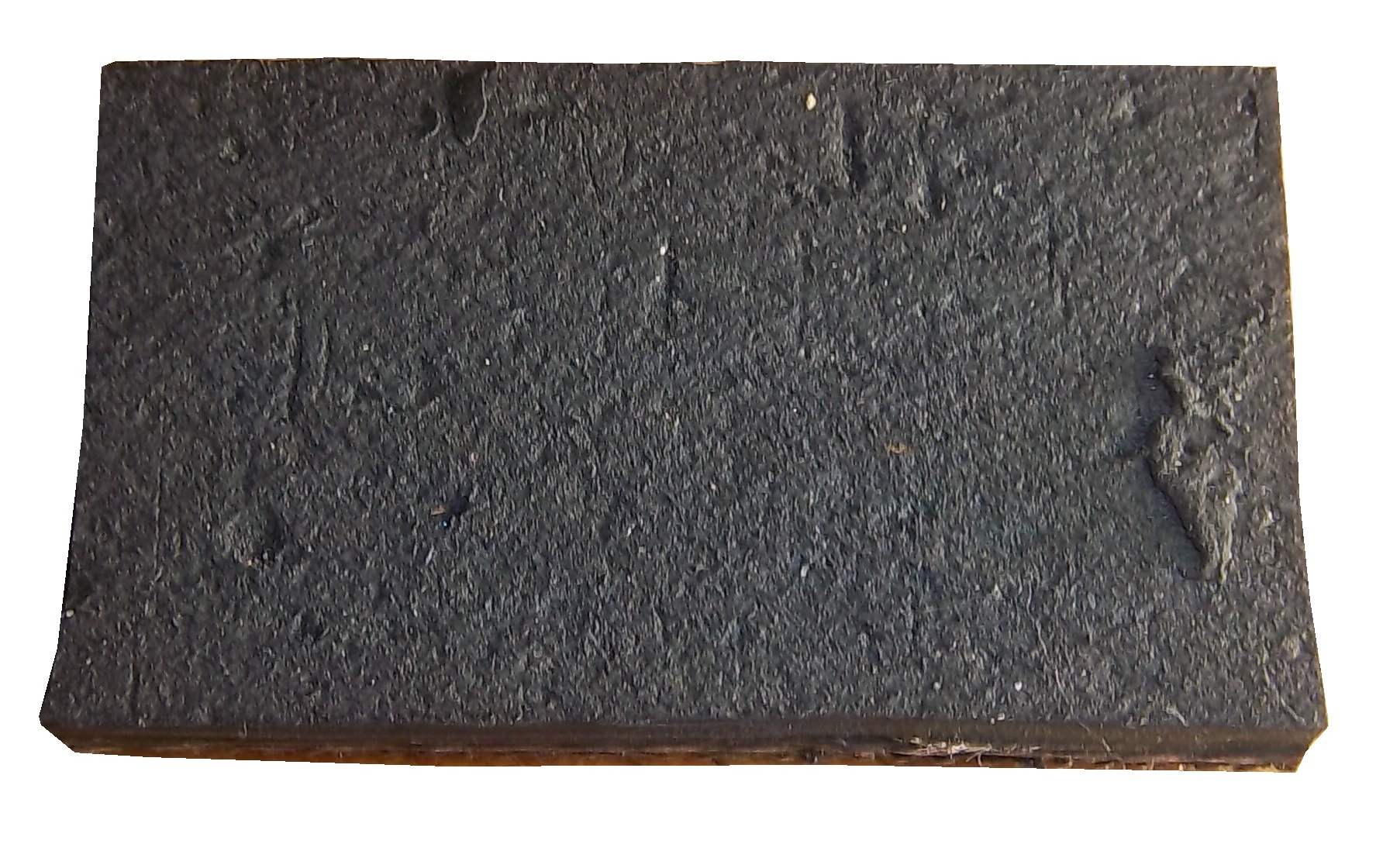

 This Kyle Petty/John Andretti card has two small pieces of tire, each used by the respective driver in the card. These are popular, and everything from suits to caps, to sheet metal wind up in cards.

Race-used lug nuts go hand in hand with tires. Lug nuts are used once, and then sold after the race, such as these Tony Stewart examples. Lug nuts are Super glued to the rim, and one of these still has superglue residue on it.


Mechanical components, especially engine components are interesting to collect, as there is no better representation of man and machine than a part of the heart of the machine. For example, I have a brake rotor used by John Andretti in the 1998 Bank of America 500 at Charlotte, which has been signed by Richard Petty. 

 This is a set released after Jimmie Johnson won his first sprint cup title back in 2006.
  It contains a series of pieces used by Johnson, including a piece of sheet metal from his door,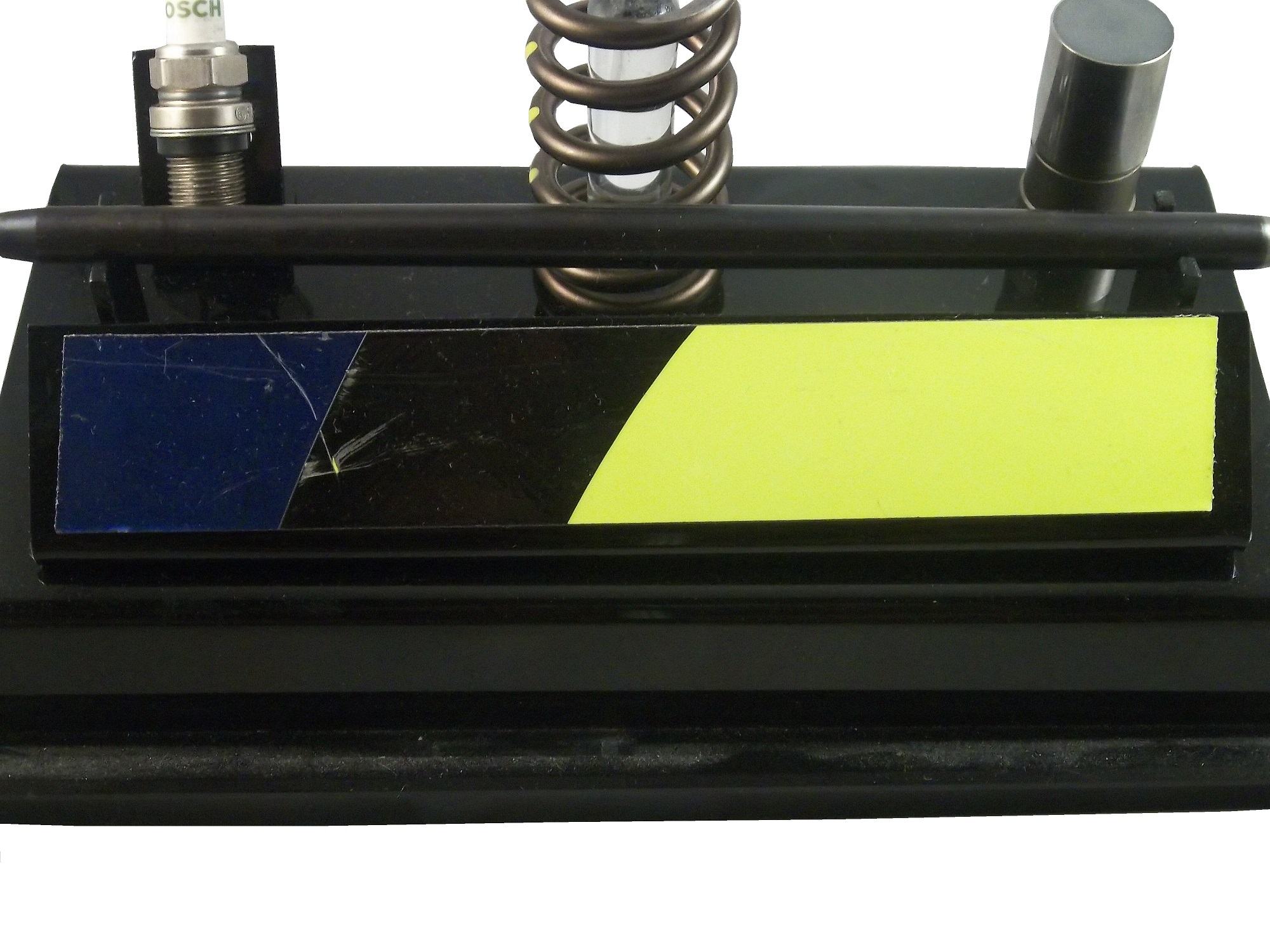
a spark plug,
a valve spring,
a piece of the track bar,
and a lifter.
i also have a spark plug from Morgan Lucas Racing in the NHRA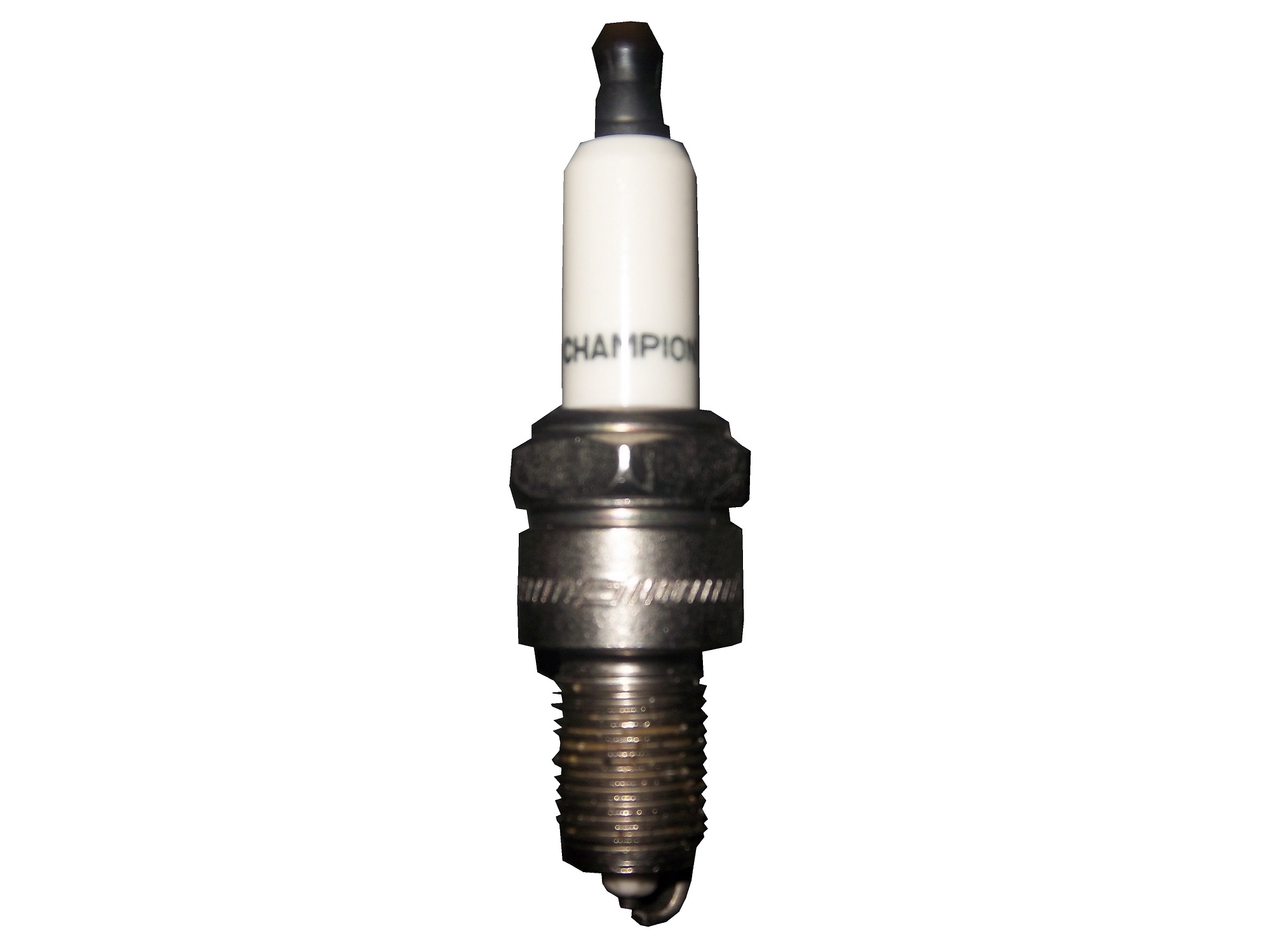
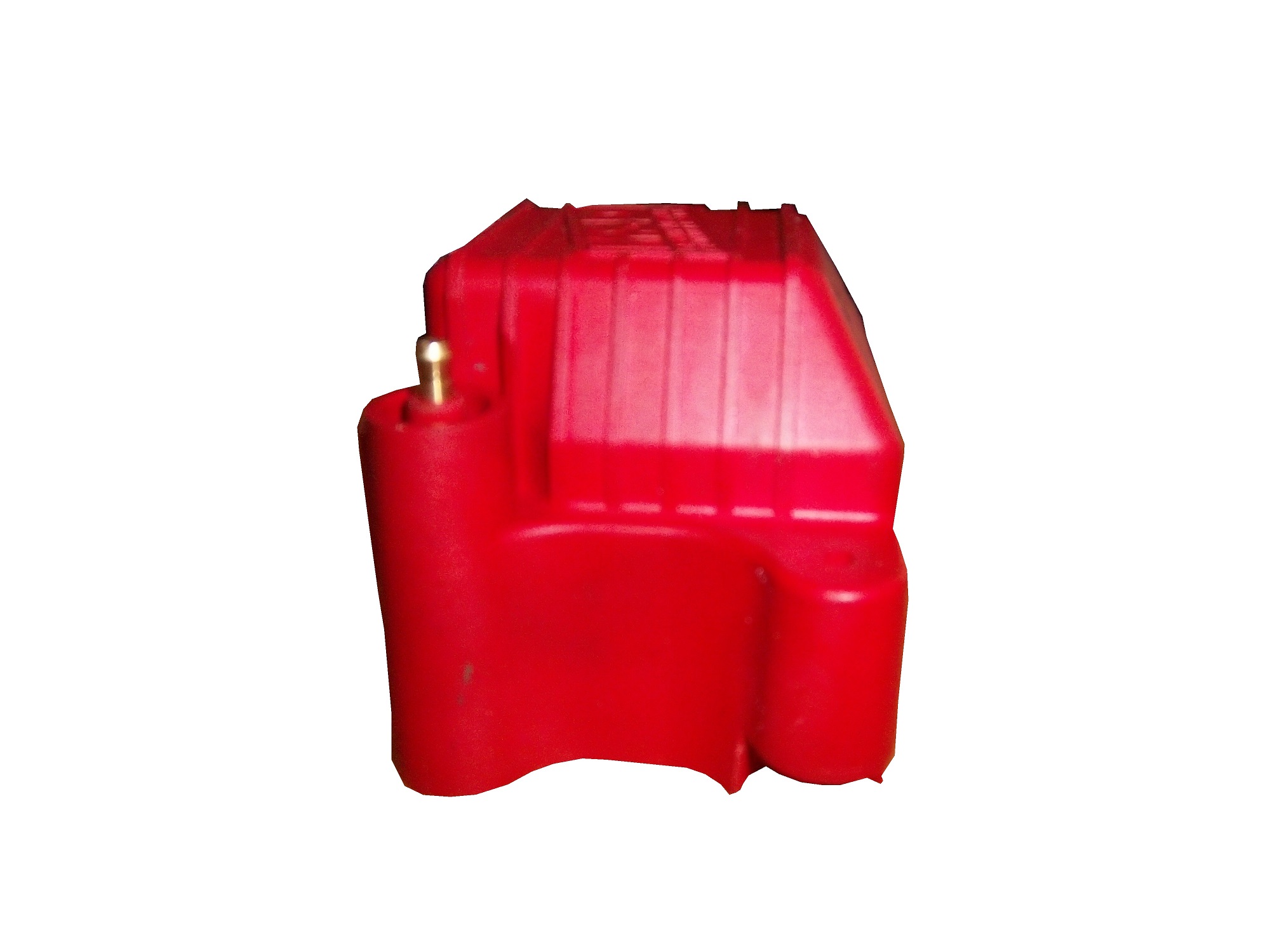
an ignition coil from Morgan Lucas Racing, which has been signed by Tony Schumacher and Ron Capps




and a timing belt from Bob Tasca,

I discussed this pit board from Chad McCumbee earlier in the year


one last item from the equipment collection is this piece of Daytona International Speedway


Jamie McMurray #1 Cessna Chevy SS Black with silver numbers and white trim looks simple and really good. I can’t say anything bad about this scheme, and bonus points for improving the door number design. A+
Jamie McMurray #1 McDonald’s Chevy SS Same great design as last year, same A grade.
Austin Dillon #3 Dow Chevy SS Take the white stripe down the side off, and it will be a solid A scheme. The white does not look good at all. The red/white/black color scheme works very well, and it is decently designed, so I will give it a B+
Danica Patrick #10 Go Daddy Chevy SS Not only does Go Daddy continue to use the worst shade of yellow in NASCAR, they also have given the worst shade of orange a more prominent role in the car. Givng this car an F is a very fair grade.
Denny Hamlin #11 FedEx Ground Toyota Camry Same scheme as last year, same C+ grade
Denny Hamlin #11 FedEx Freight Toyota Camry Same scheme as last year, same C+ grade
Denny Hamlin #11 FedEx Office Toyota Camry Same scheme as last year, same C+ grade
Denny Hamlin #11 FedEx Express Toyota Camry Same scheme as last year, same C+ grade
Casey Mears #13 Geico Ford Fusion The yellow they use is awful, and the side design is just too lowd, Ricky Stenhouse Jr. NOS Ford Fusion I love this color scheme, however, I don’t love the side design. It has too many different different designs, all of which would work on their own but combined they look like a jumbled mess. I really want to like this scheme, but I just can’t, so I’ll give it a C-
Clint Bowyer #15 5 Hour Energy Toyota Camry Same scheme as last year, same B+ grade.
Kyle Busch #18 M&M’s Toyota Camry Same scheme as last year, same A+ grade.
Kurt Busch #41 Haas CNC Chevy SS Great color scheme and a very simple desgin look very good here. I also like the matte black used, and the door numbers look really solid. Can’t give this scheme anything less than an A
Dale Earnhardt Jr. #88 Diet Mountain Dew Chevy SS Same scheme as last year, but I never gave it a grade. So here is my analysis Not a great scheme, too much needless design on the side of the car, and the silver background is just brutal. The red lettering on a green background is unattractive at best, and all in all, this is a D- grade.
Carl Edwards #99 Aflac Ford Fusion This has a terrible color scheme, with lime green, neon blue, black and white. The wing design is not only ugly but would work better starting at the door and working behind.


 DGF2099-Main Page


