The Driver Suit Blog-The Vest Project Part 3-Hidden Treasures

patches-1By David G. Firestone

The last two weeks, I have discussed two different vests, the Joe Nemechek Swig vest from 2007, nemecheckand the Berringer Vineyards vest from 2008-2010. berrengerThese two vests were part of the short-lived three-piece firesuit combo, which was primarily used by pit crews, since a vest and shirt could reduce the amount of restriction for the wearer. As I looked at the last two vests closer, I began to notice some thing odd about them.

I noticed that the two vests had a lot in common. Both vests are the same size, same manufacturer, and have something extra added. “What was added” ?” you ask, well let’s take a look at the Nationwide Series patch on the Nemechek Vest. nemecheck-rchestDoesn’t it look a bit out of place for a vest from 2007? After all, Nationwide didn’t take over sponsorship of the series until 2008. I thought this was odd, and as I looked closer, I noticed that the logo wasn’t embroidered, it was a patch. Looking closer, I noticed that the patch wasn’t sewn on. I decided to remove the patch, which was glued on, and found a Busch Series patch underneath.nemecheck-rchest2Ok, that makes sense. Obviously, the vest was prepared for the 2007 season, and had the old Busch Series logo. But what doesn’t make sense, at least to me, is the fact that the logo was glued on to begin with. Apparently, Joe Nemechek thought he would be running the Swig sponsorship for a few races in 2008, but that never materialized. Nemechek did try and run the Daytona race, but failed to qualify. Could the old uniforms have been used for that event? Well, it seems possible, but we’ll never know.

Moving on to the Berringer vest, I noticed something similar. On the right chest, I noticed that under the correct Nationwide Series logo, which has been embroidered, was a Dollar General logo, but the Dollar General logo was on a patch of fabric. berrenger-rchestThis fabric was sewn into the vest. I decided to get a knife and try and remove the fabric, as seen below:

Upon removing this fabric, I noticed that the old Dollar General logo was underneath the new one. berrenger-rchest2This would indicate that the vest was worn in 2008, since Dollar General changed to their new logo in 2009. Interestingly, that was the same logo they had been using since 1939, and after 70 years, the company felt that they needed to make a change.

That logo covering at least makes sense. I’m still not sure why there would be Nationwide Series logos glued on vests from 2007, but they are. I get that making new pit crew uniforms would be costly, but are there issues with wearing uniforms with logos of former sponsors? Could someone let me know about this? The cost thing is understandable, I get that, but I still can’t get past considering to use a uniform with a sponsor who isn’t paying you.  I’ve kept the patches for my personal collection:patches-1 patches-2I’ve been talking vests, next week, we talk undershirts.

The Driver Suit Blog-The Vest Project Part 2-Beringer Vineyards 2008-2010

berrengerBy David G. Firestone

Many West Coast races will have vineyard sponsored cars. There are a lot of vineyards on the west coast. Although the average NASCAR fan would easily be more associated with beer than wine, vineyard sponsorships have become very commonplace. Last week we discussed one such sponsorship, this week we will discuss a similar one.

Beringer Vinyeards has been operating in St. Helena, California since 1876. They were founded by the Beringer Family, and was sold to Nestle in 1971, then to Texas Pacific Group in 1996, then to Foster’s Group in 2000. Finally in 2011, it was sold to Treasury Wine Estates, who currently own it. They produce a wide variety of wines, ranging from cheaper versions to expensive high end wines.

From 2007 to 2010, Beringer Vinyeard sponsored cars for Braun Racing. In 2007 Dave Blaney raced one race at Phoenix. In 2008 Kyle Busch raced three races. From 2009 to 2010, David Reutimann raced 5 races in total with Beringer as a sponsor for Braun Racing. During that time, the pit crews wore three piece suits, including this Impact! Racing vest circa 2008-2009.berrenger\Another vest example, this vest is in burgundy, with a gold stripe across the front, and black under the stripe. The three piece suit was used during this time period, though I don’t see what advantages the vest has. The vest shows some light use, not uncommon with a team that raced three races in a season. I have to say that I like the color scheme here. The burgundy and black scheme with the gold stripe looks really good.berrengerThe collar has Beringer logos embroidered into them. The cowl has the name MERRITT written into it in Sharpie.berrenger-collarThe right chest has NASCAR NATIONWIDE SERIES and FAMILY DOLLAR logos embroidered into it. The Family Dollar logo is on a patch, but more on that later.berrenger-rchestThe left chest has TOYOTA, BRAUN RACING, and GOODYEAR logos embroidered into them.berrenger-lchestThe front torso has BERINGER SINCE 1876 embroidered into it, the BERINGER part is on the red, the SINCE 1876 is embroidered into the black. The warranty tag is inside the zipper.berrenger-flogoThe bottom hem has the comfort straps which can be adjusted for wearer’s comfort and safety.berrenger-rhem berrenger-lhemThe shoulders have BERINGER embroidered into the epaulets, which also has IMPACT! Logos present.berrenger-rshoulder berrenger-lshoulderThe sleeves are traditional vest style.berrenger-rsleeve berrenger-lsleeveThe back has some light wear.berrengerbThe back of the neck has an Impact lightning bolt logo present.berrenger-neckThe back torso has a TOYOTA logo over the larger Beringer logo, the same identical design as the front.berrenger-blogoOne of the reasons teams used these vests is that they can be rotated for different sponsors. The logos will change depending on who arrives and leaves the team. On that note, I’ve noticed something odd about this vest, and the Joe Nemechek vest I discussed next week, and next week, I’ll get further into that next week.

The Driver Suit Blog-From Nomex to Polyester…My NFL Draft Experience

nfldraft-14By David G. Firestone

The Vest Project is waiting taking a back seat this week, and will pick back up next week. As I teased on Tuesday, I went to the NFL Draft in Downtown Chicago on Thursday. I decided to trade Nomex for Polyester as I decided not to think about racing and driver suits for one day, and enjoy the festivities. I had a “seat-filler” ticket, so I had a chance to go in, but sadly, there were too many fillers, and not enough seats. So while I didn’t get to see any of the Draft itself, I did have fun wandering around Draft Town in Grant Park.

Draft Town was billed as a “900,000 square foot celebration of the Draft” and a “three-day football festival” and it was, but it was also a chance for the sponsors to put their names out there, and to promote their products. That is what it was, a football festival that was promoting products the entire time…Why else would the full name be Draft Town presented by Oikos Triple Zero.

I wanted to see what kinds of uniforms and memorabilia would be on display. My first stop was the NFL Museum. One of the biggest displays was a history of the Chicago Football Uniform, including the Chicago Cardinals, and a history of Chicago Bears game-used uniforms, including the rare 1992 throwback.2016-4-28-7 2016-4-28-3 2016-4-28-4 2016-4-28-1 2016-4-28-2They also had the busts from the 2016 Pro Football Hall of Fame Class, and a display concerning the jacket and rings given to the inductees.2016-4-28-5 2016-4-28-6The best display there was the history of the Super Bowl Ring, which had examples of every ring from Super Bowl I-XLIX. I shot a video of them.

My next stop was the College Football Hall of Fame tent, which had its own display of game-used and historical items.2016-4-28-12 2016-4-28-13 2016-4-28-14 2016-4-28-17 2016-4-28-18 2016-4-28-16 2016-4-28-15 2016-4-28-10 2016-4-28-92016-4-28-29There were also a number of mannequins that were wearing various uniforms of collegiate teams. I do have to give them credit where credit is due. I thought they would all be Nike, but every manufacturer is represented.2016-4-28-19 2016-4-28-20 2016-4-28-21 2016-4-28-22 2016-4-28-23 2016-4-28-25 2016-4-28-24 2016-4-28-28 2016-4-28-27 2016-4-28-26My next stop was the area next to Buckingham Fountain, where I watched the ESPN live broadcast. It’s important to note that the weather was awful, mid 40’s, and I noticed that two of the male anchors had blankets on their laps due to the weather.2016-4-28-30 2016-4-28-31I then went to the NFL Store, and saw the mannequins representing the teams of the NFL in their home uniforms. Facing the back of the store, the AFC is on the left side, and the NFC is on the right side.2016-4-28-34 2016-4-28-33Again, I was wondering about the promotional items at Draft Town.  Anyone who knows me knows that I used to be a liaison between The DePaul University Ministry and ChariTees, and that I have been to a promotional products trade show as a result. So I was curious as to what kinds of products were being given away at the event. The event did not disappoint.

Koozies were a big giveaway, as I got 3 in total. I got two can koozies, one from the Pro Football and College Football Halls of Fame, and a jersey-shaped bottle koozie from NFL Sunday Ticket.nfldraft-3 nfldraft-4 nfldraft-5 nfldraft-6 nfldraft-1 nfldraft-2Keeping with the beer theme, Courtyard at Marriott gave out Seahawks green sunglasses with bottle openers attached. Despite being overcast, more and more people were wearing these as the day progressed. Why they went with this color I don’t know.nfldraft-9 nfldraft-10Hyundai went a bit more piratical and was giving away mini-flashlights. This was in addition to photographs that were used to make a custom video. As I’m not sure about copyright issues, I won’t post the photos or video.

When I got to Bridgestone’s tent, they had an interesting setup. They were giving away wrist-bands with the appropriate logos. I think they should have gone with black instead of gray to match the prodcuts. They also had a photo op where you could catch a pass, and get a towel, so I took advantage. I landed hard on my left leg, and as of Monday, it was still sore.nfldraft-11 nfldraft-13 nfldraft-12The NFL Auctions tent was giving away old Super Bowl programs, so I got a program from Super Bowl XXIV. I’m not sure why they were giving these away, but it was a cool thing to get.nfldraft-25The most unique of the giveaways came from New Era. This was one of the more complex ideas for a give away I’ve seen. Before walking up to this machine, you take a selfie of yourself in a New Era hat, and post the image to Twitter and Instagram, with two custom hashtags.The machine then finds the pictures and hashtags, and if you do one of the two, it gives you a lanyard that doubles as a cap measurement.nfldraft-16 nfldraft-17If you post to both, it gives you a mini NFL Draft cap, half the size of a real cap. I got a Panthers version.nfldraft-19 nfldraft-20 nfldraft-21 nfldraft-22 nfldraft-23 nfldraft-24Once you checked in, and got through all of that, you were given…an NFL Draft 2016 towel. Slightly bigger than the Bridgestone towel. Even those of us, and there had to be over 400 of us, who didn’t get in got towels. I had hoped for a little more, but what can you do.nfldraft-14 nfldraft-15One thing I didn’t mention is that the NFL had it’s own app for Draft Town. It worked kind of like Swarm, where you check in at what booth you were at. The number of check ins earned you shots at prizes, and I wanted a football. As I was walking away from the auditorium, I got a text message that I had won the football. I went to the Wilson test, and got my mini-football. nfldraft-7It’s half the size of a regulation football, well made from a compsite material, and has all the teams printed on the side.nfldraft-7It was fun switching Nomex, steel and rubber for polyester, grass and leather, if only for a day, and I was disappointed that I didn’t get into the Draft itself, but I still had fun. Now I have to get back to what I do best, racing. Next week, I will pick up where I left off with The Vest Project.

The Driver Suit Blog-The Vest Project Part 1-Joe Nemechek 2007 Brunton Vinyards Pit Crew Vest

nemecheckBy David G. Firestone

Firesuits have evolved over the years. Their primary function has always been to protect the wearer from burns in the event of the fire. They also have to allow the wearer to perform whatever task they are required to do for the team. In recent years, they have also become advertising pieces for the sponsor of the team. These three requirements created one of the oddest firesuit setups in racing history…the three-piece firesuit.

Three-piece firesuits have a vest,nemecheck a corresponding undershirt,rensi-shirt and a pair of pants. 7-annett-pantIn theory, the three-piece allows for the same protection as a two-piece, with the advantage of giving the wearer less restriction while moving, and the ability to change the vest in case of sponsor change, fire damage, or in case the vest needs cleaning. This seems like a great idea, but for whatever reason, despite being used by many teams in the Truck, Xfinity, and Sprint Cup Series, the three-piece never took off, and remains an oddity in racing uniform design.

The drawbacks for the uniform design are quite obvious. Yes, the vest/shirt combo has an SFI 5 rating, however, without the undershirt, the vests are…well…useless. Fire doesn’t choose what to burn and what not to burn, and without the undershirt, the vest is little more than a fashion accessory. Also, this type of suit could have different vests for the top, but a new pair of pants is needed for new sponsors. Nothing is saved in terms of costs.

Recently, I purchased a huge amount of vests at a decent price, and I will examine the whole three-piece suit thing for a while. We are going to start with this Joe Nemechek vest from 2007.nemecheckHere is what it looks like with an undershirt, but more on that later.vest-shirtThe team was sponsored for three races by the Swig Inc. division of the now-defunct Brunton Vineyard Inc. They raced in three races, Daytona, Fontana, and Las Vegas, and had no real major successes during that season. The vest is designed exactly like Nemechek’s driver suit.nemecheckThe collar has BRUTON VINEYARDS embroidered into it.nemecheck-collarThe right chest has NASCAR NATIOWIDE SERIES, CHEVY, and NEMCO MOTORSPORTS logos present. The Nationwide Series logo is out of place, but more on that later.nemecheck-rchestThe left chest has MOONSHINE RACING and BCC SPORTS logos present.nemecheck-lchestThe front torso has SWIG and BRUNTON VINEYARDS logos embroidered into it.nemecheck-flogoThe warranty label is present inside the front zipper.nemecheck-tag1The unique thing about vest is that the bottom has a hem which can be tightened. There are Velcro straps which can be adjusted present.nemecheck-rhem nemecheck-lhemThe shoulders have red epaulets with GOODYEAR logos embroidered into them.nemecheck-rshoulder nemecheck-lshoulderThe vest has classic vest sleeve holes present where the sleeves and gussets would be.nemecheck-rsleeve nemecheck-lsleeveThe back of the suit has large SWIG and BRUNTON VINEYARDS logos present.nemecheck-b nemecheck-neck nemecheck-blogoThe second tag is in the back of the hem. This tag is an identification tag, which has been left black, except for what appears to be DB4 written in blue marker.nemecheck-tag2Next week, we will keep with the vineyard theme, and examine another vest, which, like this vest, has an oddity to it.

The Driver Suit Blog-Jeff Andretti…A Promising Career Cut Short

eurosport94By David G. Firestone

The name Andretti is to racing what the name Ruth is to baseball, Jordan is to basketball, Unitas is to football, and Gretzky is to hockey. Between Mario, Michael, Marco, and John, the Andretti family has wins in many different forms of auto racing over a lengthy period. It was with the same expectations that Jeff Andretti, Mario’s son, and Michael’s younger brother started his racing career in the 1980’s. In 1986, he scored his first win, at the 1986 Indy Lights race at Pocono. He followed that in in 1987 with two wins, one at Phoenix, the other in Miami. He had a decent Indy Lights career until 1990, when he went to CART. His career in CART seemed to be taking off in 1991, where he had 4 top 10’s.

Then came the 1992 Indianapolis 500. That race could, at best, be considered a caution-fest. There were a total of 13 cautions for 84 laps over the course of 200 laps. So 42% of the race was run under caution. Lap 115 brought out caution #10, when Andretti and Gary Bettenhausen crashed coming out of turn three. Safety crews needed 18 minutes to cut Andretti out of the car, and he was sent to the hospital with two smashed legs.

That is the kind of wreck that, if it doesn’t end a career, will hamper it, and Jeff was no exception. Although he would return to racing, any chance of a great racing career was long over. After that race, Andretti would only attempt two more CART races, before moving back to the Indy Lights series in 1995, then the North American Touring Car Championship in 1996, then to the Craftsman Truck Series in 1999, before retiring, and becoming a driving instructor.

Jeff’s last grasp as a CART driver came at the 1994 Slick 50 200, at Phoenix. He started 27th, and finisned 17th while racing for the AGIP / Hawaiian Tropic Lola / Ilmor for Antonio Ferarri’s Euromotorsport. One of his crew members wore this Pyrotect pit crew firesuit.eurosport94This single-layer suit shows some light wear, not surprising for a pit crew suit worn for one race.

The collar has a PYROTECT patch across the Velcro closure.eurosport94-collarThis is why I love old open wheel firesuits, instead of one large sponsor across the front torso, there are a series of small sponsor patches in a grid formation, along the white and blue stripe.eurosport94-rchest1 eurosport94-rchest2 eurosport94-lchest1 eurosport94-lchest2The suit has no belt, and unadorned legs with standard cuffs.eurosport94-legs

The shoulders have unadorned epaulets on them.eurosport94-rshoulder eurosport94-lshoulderThe right sleeve has STP, GOODYEAR, and CAN BALANCE logos present, and no television logos.eurosport94-rsleeve1 eurosport94-rsleeve2The left sleeve has an SFI patch, indicating the suit has a 1 rating, which would provide the wearer with the most minimal of protection, 2 seconds at most.eurosport94-lsleeve1 eurosport94-lsleeve2The back has an unadorned neck, and a gusset surrondung the AGIP logo, and the stripe containing the smaller logos.eurosport94b eurosport94-neck eurosport94-blogoPit crews face serious risks every single day, and unlike this suit, which would provide the most minimal of fire protection, especially in CART, which had a well-known history of pit road fires, the suits that crews wear need to be specifically designed to protect them from fires. How this is done is accomplished through a number of ways. Next week, I begin a huge project concerning those pit crew suits.

The Driver Suit Blog-From The Depths of the Sea…To My Collection

gardnercoin2-1By David G. Firestone

Going off topic today.  I have always been interested in shipwrecks. I don’t know why, but the idea of the remains of a ship, and its contents lying on the bottom of the sea just fascinates me, as it does a lot of people. In fact, shipwreck memorabilia is an interesting hobby, as it is interesting to hold something that has spent decades at the bottom of the sea in your hands.

The most common shipwreck memorabilia are coins. Business and sailing were one in the same for many years, as companies made and shipped goods for sale all over the world, and the ships came back with large amounts of coins. When the unthinkable happened, and the ship sank, these coins were lost to the bottom of the sea, until recently, when the ability to dive down and explore these ships has become much more commonplace. Divers love to explore shipwrecks, and they will find items from the time, and bring them back to the service, either for their own collection, or to sell to other. These are examples of shipwrecked coins.

The Dutch East India company was founded on March 20, 1602, and the first company to sell stock in themselves. They were heavily involved in the spice trade, at one point having a monopoly on the Dutch spice trade. While profitable for a while, it was a corrupt venture, so much so, it ceased to exist on December 31, 1799. The ships used were known as “Dutch East Indiaman.” These are coins from the Dutch East Indiaman Merestein, which sank off which sank off the coast of Southern Africa in 1702. They spent over 260 years underwater, when they were discovered and recovered in the 1970’s. They still have silt on them from their time at the bottom.shipwreck-1 shipwreck-2 shipwreck-3 shipwreck-4 shipwreck-5 shipwreck-6

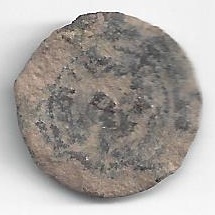
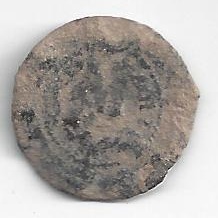
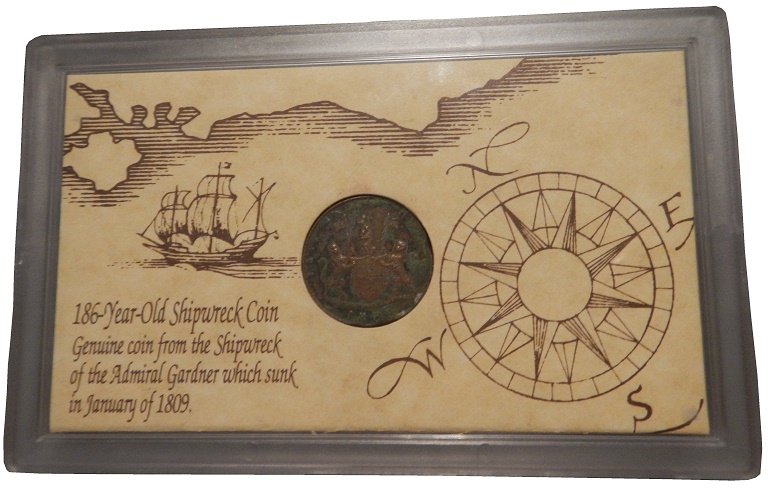
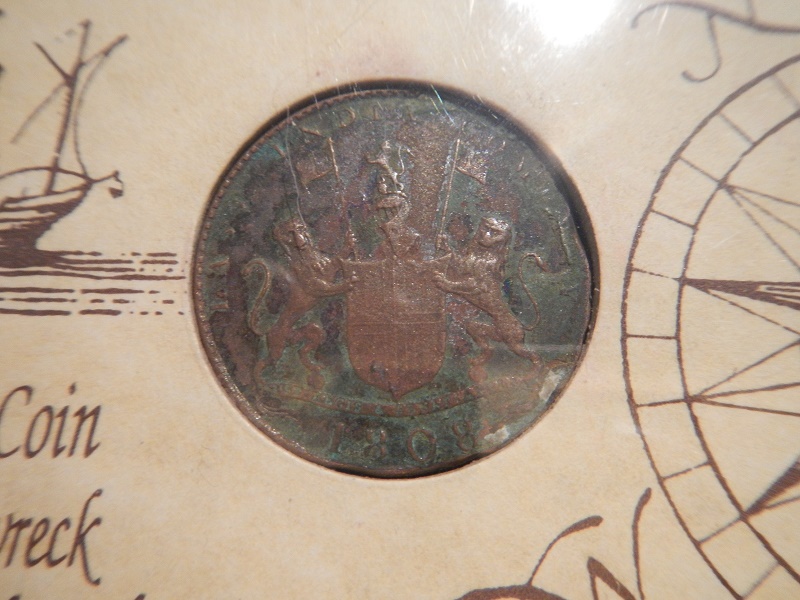
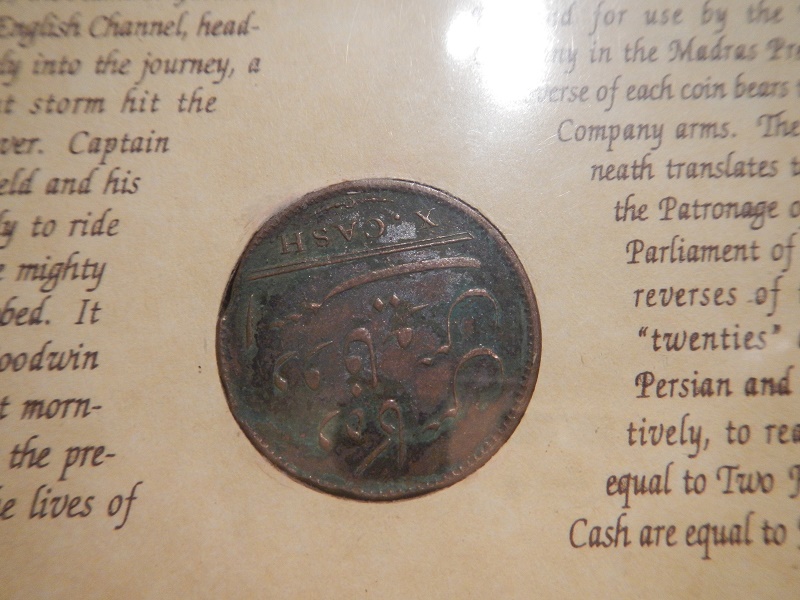
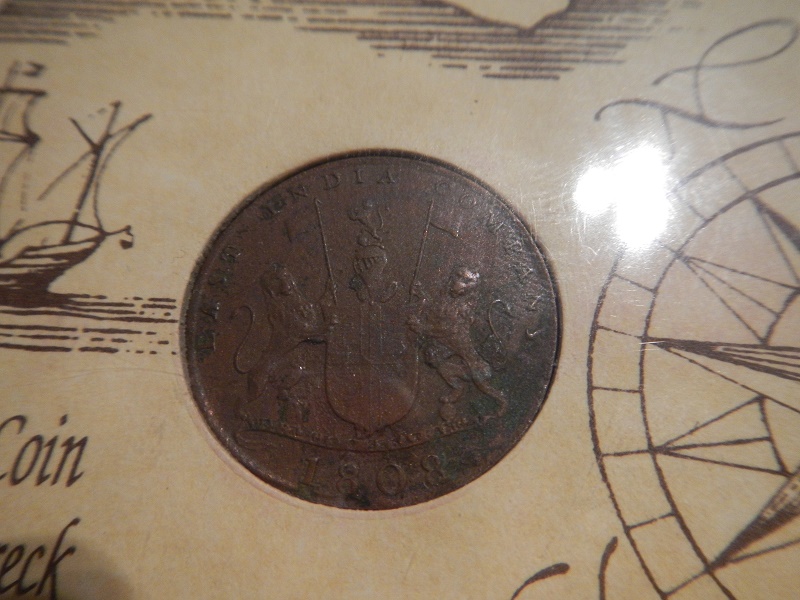
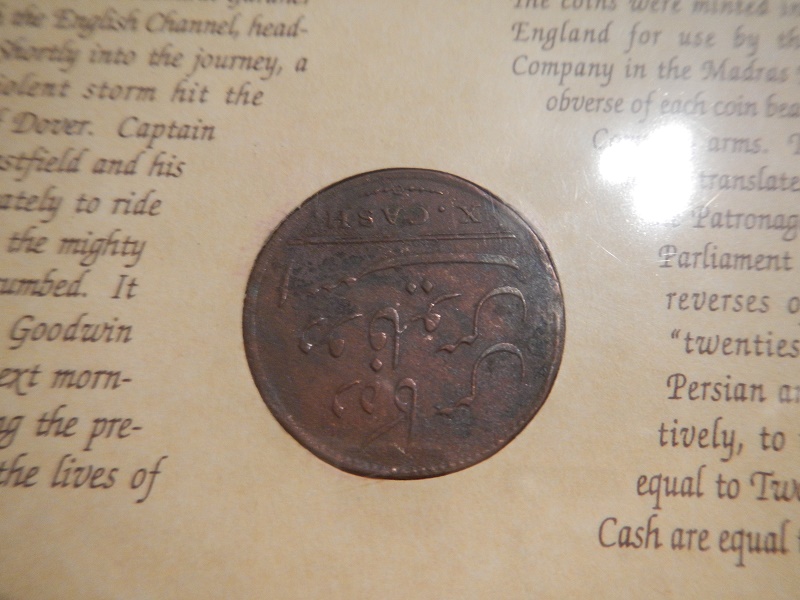
Admiral Alan Gardner, 1st Baron Gardner was a career sailor in the British Royal Navy. He is well known for negotiating during the Mutiny at Spithead in 1797, and introducing lemon juice to prevent scurvy. He had a East Indiaman named after him, which was built in 1796, and sank on the Goodwin Sands in 1809. There were a large amount of coins which were stored in tightly sealed barrels on board. They were recovered in 1986, and examples like these two, were sold to the general public. They were mounted in plastic containers with nice graphics, and the back story of the Admiral Gardner. They also came with COA’s.gardnercoin1-1 gardnercoin1-2 gardnercoin1-3 gardnercoin1-4 gardnercoin1-5 gardnercoin2-1 gardnercoin2-2 gardnercoin2-3 gardnercoin2-4

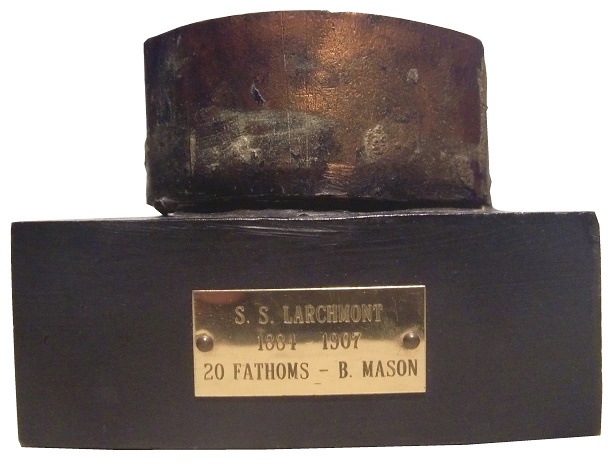
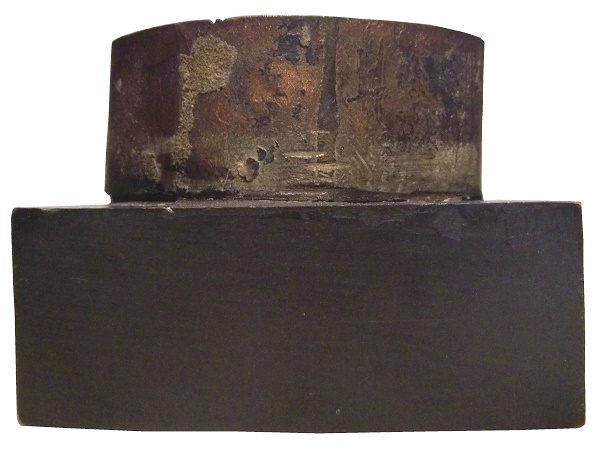
Moving away from coins, we move to this item from the SS Larchmont. The SS Larchmont was built in 1885 at Bath, Maine. It was a 252 foot long steamer that sailed from New York to Providence, Rhode Island. February 11, 1907, Larchmont collided with the Harry P. Knowles in a blizzard, and sank in 10 minutes. Between 10 and 19 people of the over 200 people on board survived. This brass item was pulled from the wreck site, and has been mounted to a wooden base with a brass plaque on it. I’m not sure what exactly it is.larchmont1 larchmont4 larchmont3 larchmont2 larchmont5

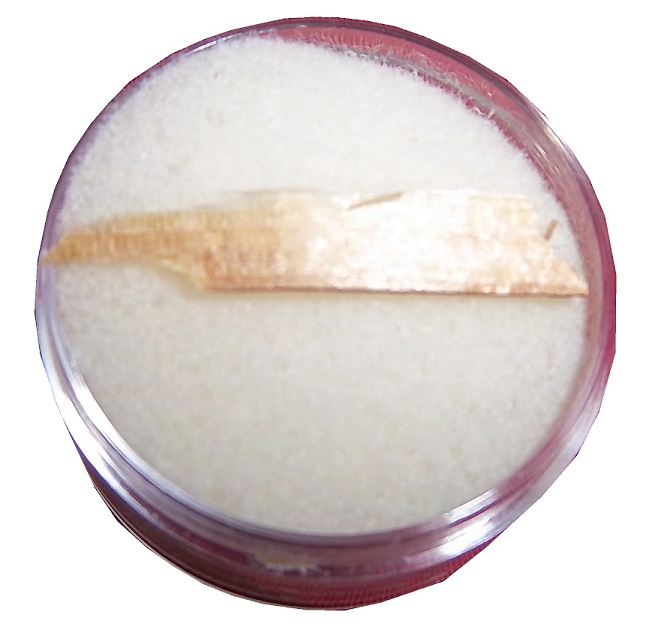
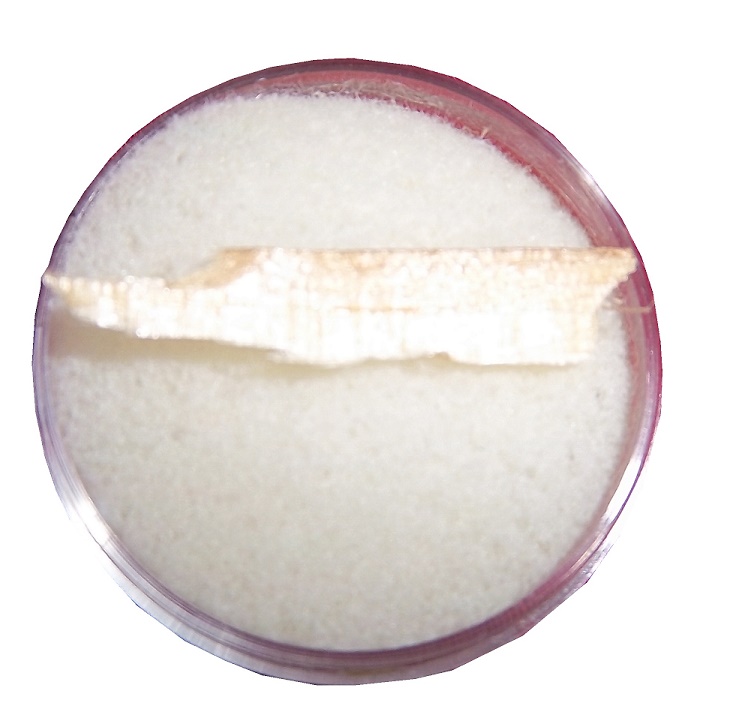
No other shipwreck is as well known and has inspired so much intrigue as the Titanic. Launched in 1912, and ironically, despite the fact that it was lauded as being “unsinkable,” it sank during its first voyage. While the ship and most of the heavier items sank to the bottom of the Atlantic Ocean, lighter items, such as wooden items floated and drifted for a while. This small sliver of wood was found during the search for survivors.titanic-wood1 titanic-wood2

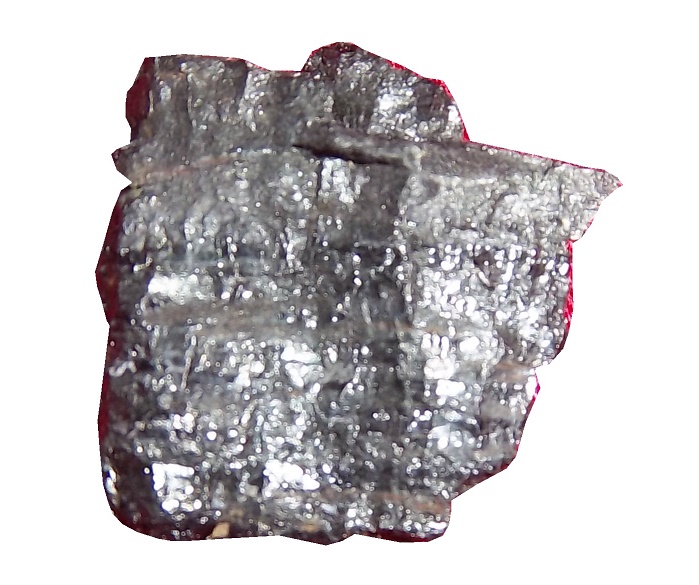
In 1985, Jean-Louis Michel of IFREMER and Robert Ballard of the Woods Hole Oceanographic Institution found the wreckage of the Titanic at the bottom of the sea. Since his initial discovery, many artifacts have been recovered, including this piece of coal, which was sold at the Titanic artifact exhibition tour.titanic-coal1 titanic-coal2

Next week, we look at a remnant from a once-promising career.

The Driver Suit Blog-The Signature of the Man Who Changed Fried Chicken Forever

sandersBy David G. Firestone

Going off topic today, but I’ve wanted to do this for a while. September 18 1968, was an uneventful day during an eventful year. While the rest of America listened to Harper Valley PTA, red Testimony of Two Men, or watched Hang ‘Em High, one lucky person got to meet, and get an autograph from a man who changed the face of fast food, fried chicken, and the cooking industry, all at the same time.

Even if you’ve never eaten at KFC, you know that Col. Harland Sanders founded the company, and came up with the famous “Secret Recipe.” You might not know that he was a jack of all trades prior to KFC. He was a military man, a railroad man, an amateur lawyer, an insurance sales man, a ferryboat operator, and, by 1930, a Shell gas station attendant in Corbin, Kentucky. That Shell gas station was the best thing to ever happen to Harland Sanders, but at the time, he didn’t know it. He served food, including his chicken, country ham, and steaks in the living quarters of the service station.

Sanders’ temper was well documented, having lost no fewer than three jobs due to disagreements or brawls with people, including one in a courtroom during his law practice. During an encounter with Matt Stewart, a competitor, a shootout took place. The story goes like this, Sanders painted an advertising sign to lure more customers to his station, which enraged Smith, who painted over Sanders’ sign. Sanders and two Shell officials caught Smith in the act, and the shootout occurred. Smith was shot in the shoulder, and wound up killing one of the Shell officials. Smith was sent to prison for murder, and Sanders had the market all to himself. Around that same time, Sanders was named a “Kentucky Colonel,” and was recommissioned one in 1950. He began to call himself Colonel Sanders, and the name stuck.

During the World War 2, he was worked as a supervisor in Seattle, and later ran government cafeterias. He had already perfected his now legendary “Secret Recipe” and discovered that frying in a pressure cooker made the chicken more moist and flavorful than pan frying. After the war, he returned to his kitchen, and in 1952, franchised his chicken to Pete Harman of South Salt Lake, Utah. A sign panted named Don Anderson came up with the name “Kentucky Fried Chicken” for the new Utah restaurant. This would be a turning point, as Sanders, who had failed at most of his businesses, found the recipe for success, no pun intended…he just didn’t know it yet.

In 1956, he sold the Corbin Restaurant that he had called home for so long. Realizing he needed money, he started his quest to franchise Kentucky Fried Chicken. Initially, it was slow going, but people began to see that Kentucky Fried Chicken would work, and, by the 1960’s, over 600 locations had opened, in the US, Canada, England, and Mexico. In 1964, an aging Sanders could not handle the stress of managing the restaurants, and sold Kentucky Fried Chicken to John Brown, and Jack Massey for $2 million, over $15 million in 2016 dollars.

Sanders was the mascot of KFC, and continued to appear on packaging, and advertising. Sanders himself wore the white suit and black string tie which he would forever be associated with. Sanders was, in real life, a foul-mouthed control freak, who would visit franchises to make sure that the chicken was being prepared correctly, and would snap if he found that it wasn’t. He remained active, even after being diagnosed with acute leukemia, and was active until his death from pneumonia on December 16, 1980, at the age of 90.

On that rather uneventful day, September 18, 1968, someone met Col. Harland Sanders, and got his autograph.sandersTorn from, appropriately enough, a chicken advertisement, this 7 inch long piece of paper was signed by Sanders, “Sincerely, Col Harland Sanders, 9/18/1964.” While the paper has aged with time, but the signature is still bold. It also looks as though there was something else written, either by Sanders, or an unknown hand, as at the top right corner, there is an underlined S. What was written, has been lost to history.

Torn from, appropriately enough, a chicken advertisement, this 7 inch long piece of paper was signed by Sanders, “Sincerely, Col Harland Sanders, 9/18/1964.” While the paper has aged with time, but the signature is still bold. It also looks as though there was something else written, either by Sanders, or an unknown hand, as at the top right corner, there is an underlined S. What was written, has been lost to history.

Next week, I will examine some unique items from the bottom of the sea.

The Driver Suit Blog-Race Rock…Not the Musical Kind

racerockBy David G. Firestone

I’ve talked about the promotional advantages of driver suits and racing suits before. True, a racing sponsorship can pay a lot of dividends. According to this article from Fox, “A new study conducted jointly by the Los Angeles-based media agency Wasserman and Buffalo, New York-based Nervve showed that Denny Hamlin’s Daytona 500 victory was worth $1.9 million in earned media value for his primary sponsor, FedEx.”

But where racing suit design differs than regular work design is that the sponsor or team can design the suit in ways which most normal companies wouldn’t be able to. Denny Hamlin’s suit can be designed for maximum sponsor exposure. While Denny for some reason doesn’t wear TV logos on the sleeves, if any FedEx employee were asked to wear a uniform similar to Denny’s suit or the teams pit shirts, the company would be a laughing stock.

While racing suit design for promotional appeal is a new concept in marketing, mechanics in auto racing have been around since day one. Mechanics make the cars run, and keep them running. They have to work on cars and wear special clothes, as the fluids in the car can ruin most street clothes. This Race Rock Racing team suit is a perfect example of the fusion of both.racerockAs much as I have searched, I haven’t been able to find any information on Race Rock as an auto racing team. However, they were apparently a racing team. This suit was a mechanics suit designed for them. The suit is made from Jupiter, Florida based RJ’s Racing Equipment. It feels like it’s a single layer of Nomex, but could also be polyester. It isn’t SFI certified.

The front has a CART patch and RACE ROCK RACING TEAM embroidered into the chest,a checkered flag stripe, and a yellow stripe across the chest with a PPG patch and a BILSTEN SHOCK ABSORBERS patch sewn into the yellow stripe.racerock-rchest racerock-lchest racerock-flogoThe belt, and legs are unadorned.racerock-belt racerock-legs

The shoulders have yellow unadorned epaulets, racerock-rshoulder racerock-lshoulderand short sleeves with MOPAR PERFORMANCE RACING TEAM and CHAMPION SPARK PLUG patches on the right sleeve, and VALVOLINE RACING and HOLLEY patches on the left sleeve.racerock-rsleeve racerock-lsleeveThe back of the suit has a giant RACE ROCK RACE TEAM logo embroidered into it. Other than that, there are no designs present at all.racerockb racerock-blogoWhile racing has been used as a promotional tools for decades, the innovation of the driver suit as a promotional tool is something that has taken the racing world by storm. Hell, you wouldn’t be reading this if you didn’t find racing suit design interesting, and I wouldn’t be writing it. Next week, we will look at the signature of an innovator who created a product known throughout the world, and revolutionized a whole industry.

The Driver Suit Blog-When is a Paint Scheme Not a Paint Scheme?

buecherwrap-1By David G. Firestone

Although the commonly used term is “paint scheme,” paint rarely, if ever is used on the sides of cars. What is used is vinyl wrap. The schemes are printed on vinyl, and then applied to the car. This saves time, and weight. It also makes the complex schemes of today possible. Here is video of Kyle Busch’s 2013 M&M’s Toyota Camry having the wrap applied…

There are a number of places that will supply wraps, the biggest, and most well known is Pro Cal Professional Decals. Located in Concord, North Carolina, Pro Cal supplies vinyl wraps to many teams, including Roush Fewnay Racing, Hendrick Motorsports, Chip Ganassi, Richard Petty Motorsports, Stewart-Haas Racing, Richard Childress Racing, Kalitta Motorsports, and KB Racing Technologies. Pro Cal also does commercial vehicle wraps and signage.

I was able to get my hands on one example of a vinyl wrap, this Chris Buescher side from the 2014 Buckle Up 200 Pres. by Click It or Ticket at Dover on Saturday, May 31, 2014. Buescher raced the #60 Ford Eco-Boost Ford Mustang to an 8th place finish. This is a spare vinyl side from the car he raced that day.buecherwrap-1 buecherwrap-2I’m not sure why this wasn’t used, I’m thinking that the black that has rubbed on the side was why Roush Fenway rejected it. The wrap itself is huge, over 10 feet long, and about 4 feet high. It has 3M adhesive on the back to attach it to the car. It has additional decals for the door numbers, posts, and front of the car. buecherwrap-3 buecherwrap-4 buecherwrap-5 buecherwrap-6 buecherwrap-7 buecherwrap-8There are also decals to add some of the stripes. It also comes with a squeegee made by Lidco Products, a Saint Paul, Minnesota based squeegee company.buecherwrap-9 buecherwrap-10While the majority of NASCAR uses vinyl decals, we still call them paint schemes. The term “vinyl scheme” doesn’t sound as good. No matter what technologies we use to design a car, we will call them a paint scheme.

Next week I’m going to examine an odd racing suit.

The Driver Suit Blog-From the Lab of Dave Labs

labs-1By David G. Firestone

I do a lot of articles about stuff used by drivers. Sometimes the drivers are current drivers, other times, the drivers have retired and moved on to other ventures. Such is the case with this helmet, used by Dave Labs. Dave Labs is a former ASA Champion, who moved to drag racing in the NHRA and IHRA. He is a self taught artist, following in the style of Kenny Youngblood. Labs works out of West Allis, WI, and has designed a number of cars, including NASCAR, ASA, and NHRA. He also designs shirts, and has painted hot rods and airplanes.

During his career, Labs wore this Bieffe helmet.labs-1Bieffe is an Italian helmet company that had a reputation for making “cheap” helmets. I’m not even sure if they are still in business, as they don’t seem to have an official website, and it doesn’t appear that they are making new helmets.

This specific helmet has a KENDALL GT-1 sponsor on the visor, labs-2 labs-3and is customized with DAVE on the sides, labs-1 labs-4and Lab’s Racing on the top.labs-6 This particular design is a motorcycle helmet. It has DOT markings on the back. labs-5The red, gold and silver color scheme is one of Dave’s favorites. The helmet is missing one of the visor clips, and has a large amount of scuff marks and scrapes across it. The tags inside the helmet show a large amount of staining.labs-7One thing I like about Dave is that he is a hands-on guy. He left the NHRA because “ was spending more time with business, and that didn’t leave me very much time to go Drag Racing. The quicker and faster you go, requires more work and more crew help. I didn’t want to turn the operation over to someone to prep the car, and then I would just drive. I guess I learned it from Don Garlits, but I always wanted to be hands on with the running of my car. I don’t want to be just a Driver. With that in mind, and the ever increasing demands to compete at the NHRA level, I decided it was best to stop Racing.” He likes to know everything about his car, everything it does, every adjustment it needs, and how it all works. I’m like that. I want to be able to handle the items I discuss, not just look at pictures of the items.

This week we’ve discussed a designer, next week, we will discuss the canvas that these designers now use.